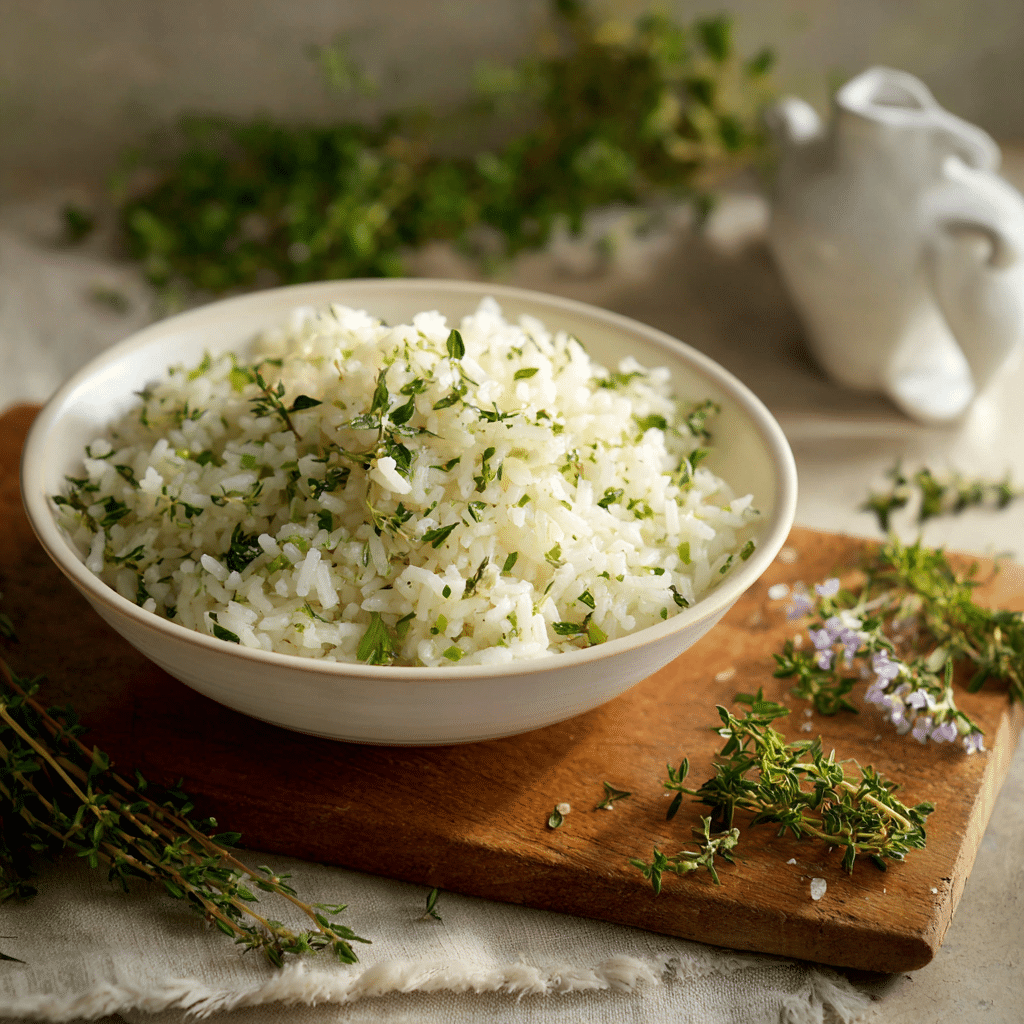
. French Herbed Rice Pilaf
Nothing quite elevates a meal like a perfectly cooked side that feels both refined and comforting. This French Herbed Rice Pilaf is a Delicious Recipe that brings together buttery rice, delicate shallots, and fragrant thyme, all gently enhanced with a splash of dry white wine. Each bite offers a beautiful balance of flavors and textures that make it the perfect accompaniment for any special occasion or just a charming upgrade to your weekday dinners.
Ingredients You’ll Need
Ingredients You’ll Need
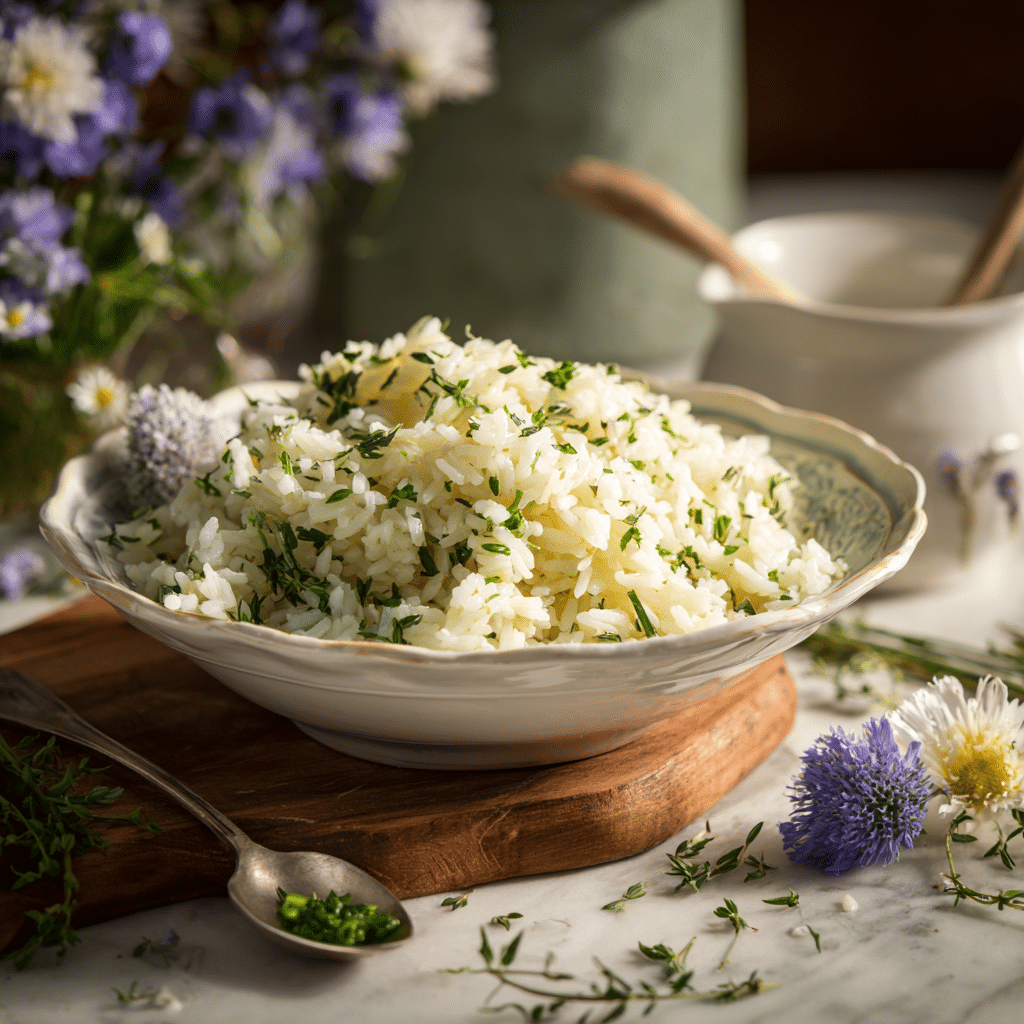
Gathering these simple yet essential ingredients sets the foundation for this elegant dish. Each one plays a crucial role, contributing to the rich aroma, subtle flavor, and satisfying texture that make this French Herbed Rice Pilaf a true classic.
- 1 cup rice: Use a long-grain rice to achieve that fluffy, separate texture that’s ideal for pilaf.
- 1 Tbsp butter: Adds a luscious richness and helps sauté the shallots beautifully.
- 1 small shallot, minced: Brings a mild onion flavor that’s sweeter and more delicate than regular onions.
- 1 cup broth: Chicken or vegetable broth infuses the rice with depth and warmth.
- 1/4 cup dry white wine: Adds a subtle acidity and complexity that lifts the entire dish.
- 1/2 tsp thyme: Gives the pilaf that signature herbaceous note that’s both earthy and fresh.
How to Make Delicious Recipe
Step 1: Sauté the Shallot
Start by gently melting the butter over medium heat until it’s warm and foamy. Add the minced shallot and cook it slowly, stirring often, until it turns translucent and releases its sweet, aromatic fragrance. This step sets the tone for the entire dish, ensuring the shallots soften and flavor the cooking fat without browning too much.
Step 2: Toast the Rice
Once the shallots are ready, toss in the rice and stir to coat each grain with that buttery shallot goodness. Toast the rice lightly for a few minutes. This toasting deepens the flavor and helps maintain a firm texture, preventing clumping during cooking. It’s a simple trick that transforms the ordinary into something special.
Step 3: Add the White Wine
Pour in the dry white wine slowly, letting it bubble and evaporate almost completely while stirring occasionally. The wine’s acidity not only brightens the dish but also adds a subtle complexity that keeps the pilaf from tasting one-dimensional. Patience here really pays off for the final flavor.
Step 4: Simmer with Broth and Thyme
Next, pour in the broth along with the thyme, giving everything a gentle stir before bringing it to a simmer. Cover and cook on low heat until the rice is tender and all the liquid has been absorbed. The thyme infuses the grains with a fragrant, earthy note that becomes more pronounced as the rice cooks, making this step pivotal for achieving that signature profile of this Delicious Recipe.
How to Serve Delicious Recipe
Garnishes
A sprinkle of fresh thyme leaves or a pinch of finely chopped parsley adds a pop of vibrant green and enhances the herbal aroma. For a touch of elegance, a few toasted pine nuts or slivered almonds on top not only provide a lovely crunch but also a subtle nutty contrast to the soft pilaf.
Side Dishes
This pilaf pairs beautifully with a variety of dishes. Think herb-roasted chicken, seared salmon, or even a crisp green salad with lemon vinaigrette. It acts as a perfect canvas, complementing rich, saucy mains while balancing the plate with its light yet flavorful profile.
Creative Ways to Present
For a dinner party, use a small ring mold to shape the rice into neat, elevated rounds, elevating your plating aesthetic with minimal effort. Alternatively, serve the pilaf in individual mini cocottes or ramekins for a cozy, personal presentation that feels extra special.
Make Ahead and Storage
Storing Leftovers
Place any leftover pilaf in an airtight container and refrigerate it for up to three days. The flavors tend to meld even further overnight, though the rice texture will soften slightly. Just be sure to cool it completely before sealing to maintain freshness.
Freezing
You can freeze this Delicious Recipe pilaf if you want to enjoy it later. Spread it out on a baking sheet first to flash freeze, then transfer to a freezer-safe bag or container. Frozen pilaf lasts up to one month, making it a handy make-ahead option for busy weeks.
Reheating
Reheat gently on the stove over low heat or in the microwave with a splash of broth or water to revive the rice’s fluffiness. Stir occasionally as it warms through to ensure even heating without drying out. This keeps your pilaf tasting just as delightful as when first made.
FAQs
Can I use a different type of rice?
While long-grain rice is ideal for pilaf’s light, separate texture, you can use basmati or jasmine rice for added fragrance. Just watch cooking times as they may differ slightly.
Is white wine necessary in this Delicious Recipe?
The white wine adds a subtle acidity and complexity, but you can substitute with extra broth and a splash of lemon juice if preferred. The flavor will be a bit different but still delicious.
Can I make this pilaf vegan?
Absolutely! Swap the butter for olive oil or vegan margarine, and use vegetable broth. The shallots and thyme still provide plenty of flavor without animal products.
What if I don’t have fresh thyme?
Dried thyme works perfectly fine—just use about half the amount since its flavor is more concentrated. Rosemary or tarragon can also be interesting herbs to experiment with.
How can I make this recipe for more servings?
Simply scale up the ingredients proportionally and use a larger pot. Just be sure to maintain the same liquid-to-rice ratio for perfect cooking results.
Final Thoughts
There’s something truly satisfying about a bowl of perfectly cooked, aromatic rice that feels both sophisticated and familiar. This Delicious Recipe French Herbed Rice Pilaf is a testament to how a few simple ingredients can come together to create a dish that delights every time. I can’t wait for you to try it and discover how it effortlessly elevates your meals with its charming flavors and inviting texture.