Gochujang Pasta Recipe
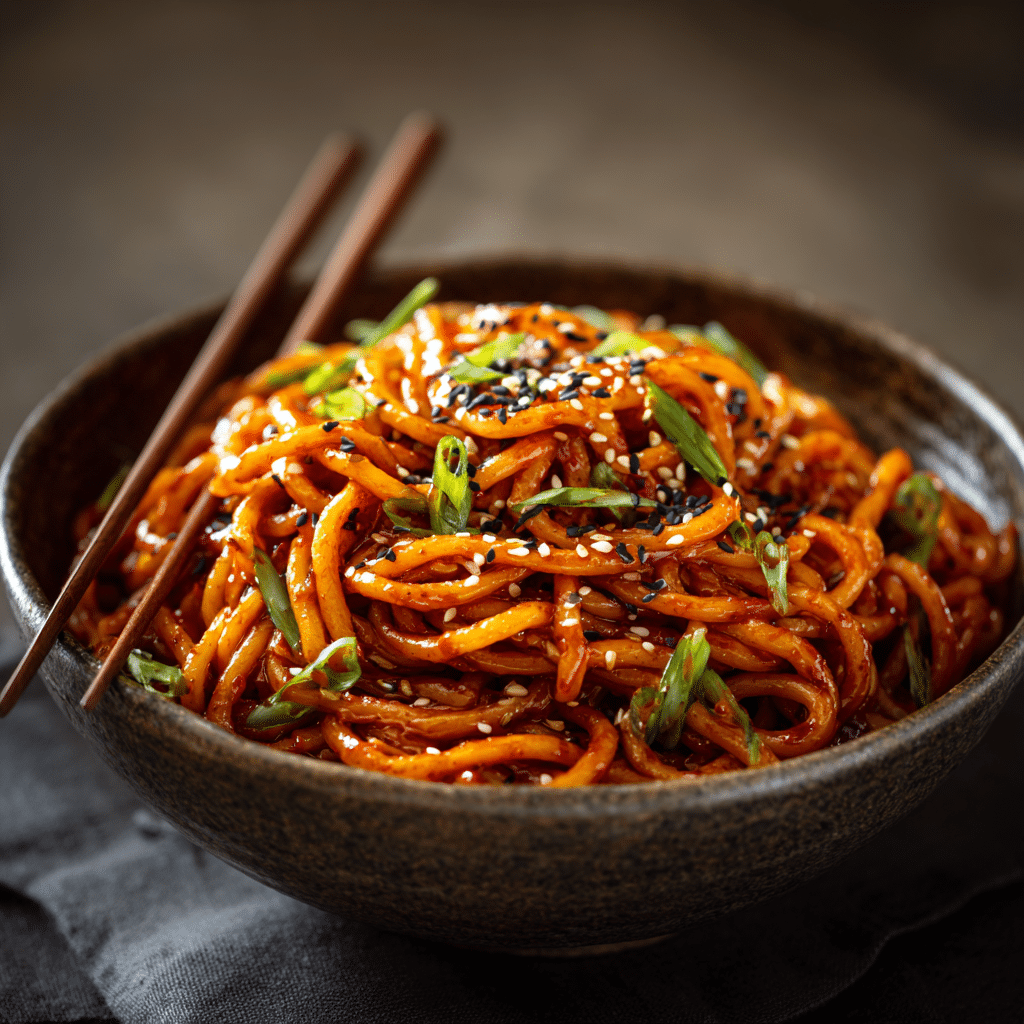
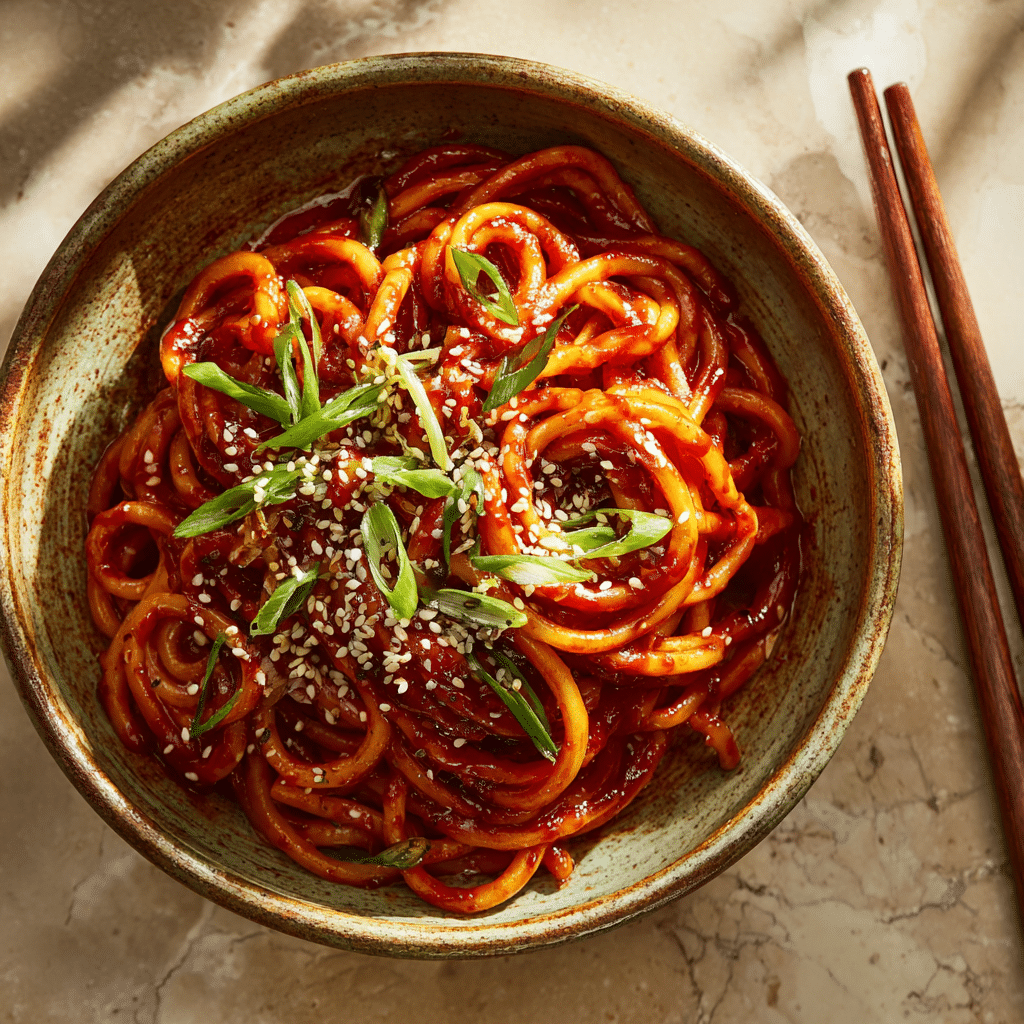
If you’re craving a dish that brings together creamy decadence and a spicy kick, you have to try this delicious Gochujang Pasta. In less than 15 minutes, this recipe combines the rich, savory notes of Korean chili paste with the comforting texture of tender pasta to create a meal that’s as exciting as it is easy to make. Whether it’s a weeknight dinner, a cozy date night, or a crowd-pleasing party dish, Gochujang Pasta delivers an unforgettable flavor experience that will have everyone coming back for more.
Ingredients You’ll Need
The beauty of this recipe lies in its simplicity; just a handful of well-chosen ingredients come together to build a complex, flavorful dish. Each item plays a vital role, from the tender pasta providing structure to the creamy sauce bringing that luscious texture, and the gochujang offering the perfect spicy punch.
- Pasta (8 oz Fusilli Corti Bucati or preferred shape): Holds the creamy sauce beautifully, and bucatini adds a fun twist with its hollow center.
- Gochujang (2 tablespoons): The star ingredient, adding deep, spicy, and slightly sweet flavors typical of Korean cuisine.
- Garlic (3 cloves, minced): Infuses an aromatic warmth that balances the spice perfectly.
- Salted butter (4 tablespoons): Creates the rich, silky base of the sauce.
- Olive oil (2 tablespoons): Helps sauté the garlic without burning and adds a subtle fruitiness.
- Shredded parmesan or cheddar cheese (½ cup): Melts into the sauce for a cheesy creaminess that complements the heat.
- Heavy cream (½ cup): Brings luscious richness and smoothness to coat every strand of pasta.
- Freshly ground black pepper (½ teaspoon, optional): Adds a mild heat and depth without overpowering the gochujang.
- Chopped parsley (2 teaspoons, optional): A fresh herbal note to brighten up the final plate.
How to Make Gochujang Pasta
Step 1: Cook the Pasta
Bring a large pot of water to a rolling boil and add salt if you like to season the pasta from within. Toss in your chosen pasta and cook according to the package instructions until al dente, usually between 7 to 12 minutes. Drain the pasta and set it aside while you prepare the sauce, which will come together quickly.
Step 2: Prepare the Gochujang Pasta Cream Sauce
In a sauté pan over medium heat, melt the butter together with olive oil. Add the minced garlic (and black pepper if using), stirring for about 30 to 60 seconds until fragrant but not browned—this step awakens the flavors you’ll love. Then, mix in the gochujang, heavy cream, and shredded cheese. Let the sauce simmer for 1 to 2 minutes to thicken slightly and meld all those savory and spicy notes into a silky, luscious blend.
Step 3: Combine Pasta and Sauce
Add the cooked pasta directly to the sauce in the pan, tossing gently to ensure each noodle is evenly coated. This step is crucial because the hollow bucatini pasta will soak up the sauce, intensifying every bite. Once combined, transfer to a serving dish for the finishing touches.
How to Serve Gochujang Pasta
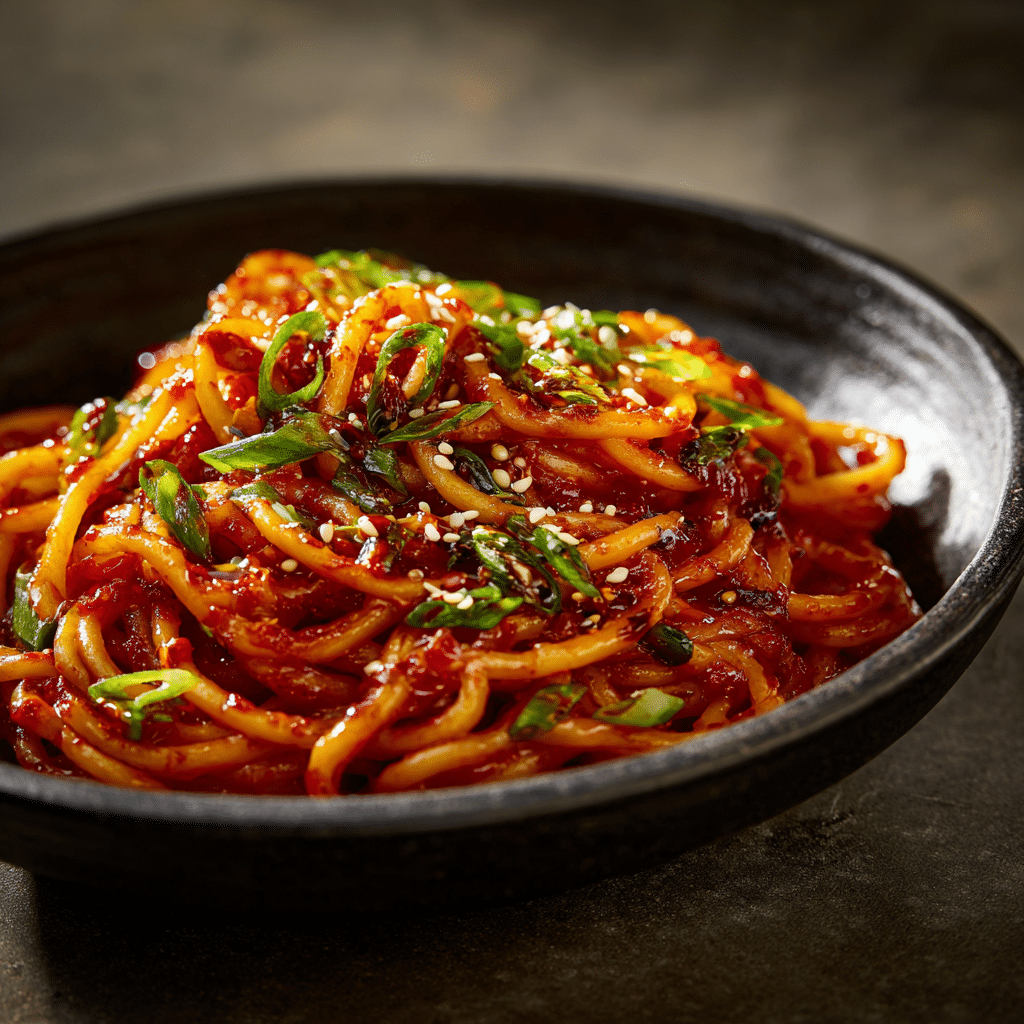
Garnishes
Brighten your dish by sprinkling freshly chopped parsley over the top; the herbaceous notes naturally cut through the creamy richness. You can also consider fresh cilantro or basil for more aromatic layers. A light drizzle of extra virgin olive oil is an elegant finishing touch that adds a shimmering gloss and subtle fruitiness.
Side Dishes
Gochujang Pasta’s spicy-smooth profile pairs wonderfully with cool or tangy sides. Korean-style pickled radishes (danmuji) create a delightful contrast, as do crisp, refreshing cucumber salads. For fans of bold flavors, serving kimchi alongside intensifies the Korean-inspired theme, while roasted or sautéed vegetables such as bell peppers, zucchini, or mushrooms add fresh texture and balance.
Creative Ways to Present
For a fun twist, plate your Gochujang Pasta in individual bowls topped with a perfectly poached egg, which adds a luscious creaminess when you break it. You could also add a sprinkle of toasted sesame seeds or thinly sliced scallions for extra crunch and a pop of color. If you want to get creative with proteins, grilled chicken, shrimp, or tofu make delicious lentil-packed mix-ins that turn this pasta into a full meal.
Make Ahead and Storage
Storing Leftovers
Store any leftover Gochujang Pasta in an airtight container in the refrigerator. It will keep well for up to five days. Make sure the pasta cools completely before sealing to maintain texture and avoid sogginess.
Freezing
While this pasta is best enjoyed fresh due to the creamy sauce, you can freeze leftovers in a sealed container for up to two months. Thaw in the refrigerator overnight before reheating. Note that the texture of the cream sauce might change slightly upon freezing, but it remains delicious.
Reheating
Reheat gently on the stove in a skillet over low heat, adding a splash of cream or milk to bring back the saucy consistency without drying out the pasta. Alternatively, microwaving in short bursts while stirring helps maintain the creamy texture and evenly warms your Gochujang Pasta.
FAQs
Can I use different pasta types for Gochujang Pasta?
Absolutely! While bucatini brings a fun hollow texture that cradles the sauce, any pasta shape you prefer works beautifully. Fusilli, penne, spaghetti, or even Asian noodles like ramen or rice noodles can be great alternatives.
How spicy is Gochujang Pasta?
The spice level depends on the amount and brand of gochujang you use. It generally carries a medium heat with a touch of sweetness, but you can adjust how much paste you add to suit your spice tolerance.
Can I make Gochujang Pasta vegan?
Yes! Swap out the butter and heavy cream for plant-based alternatives like coconut or almond milk and vegan butter. Use nutritional yeast instead of cheese for that cheesy flavor, and add mushrooms or tofu for protein.
Is Gochujang Pasta suitable for meal prep?
Definitely. It reheats well and keeps its rich flavors, making it a perfect option for quick lunches or dinners through the week. Just remember to store it properly in airtight containers.
What proteins pair well with Gochujang Pasta?
Grilled chicken, shrimp, tofu, or ground beef complement the spicy, creamy sauce wonderfully. Adding protein can elevate this dish from tasty to truly satisfying.
Final Thoughts
You really can’t go wrong with Gochujang Pasta. It perfectly blends creamy comfort with exciting Korean flavors in a way that’s quick and accessible for any busy cook. Whether you’re treating yourself or impressing guests, this dish is bound to become a beloved staple. So go ahead, gather your ingredients, and dive into the spicy, savory goodness that only Gochujang Pasta can offer!