Taiwanese Castella Cake Recipe
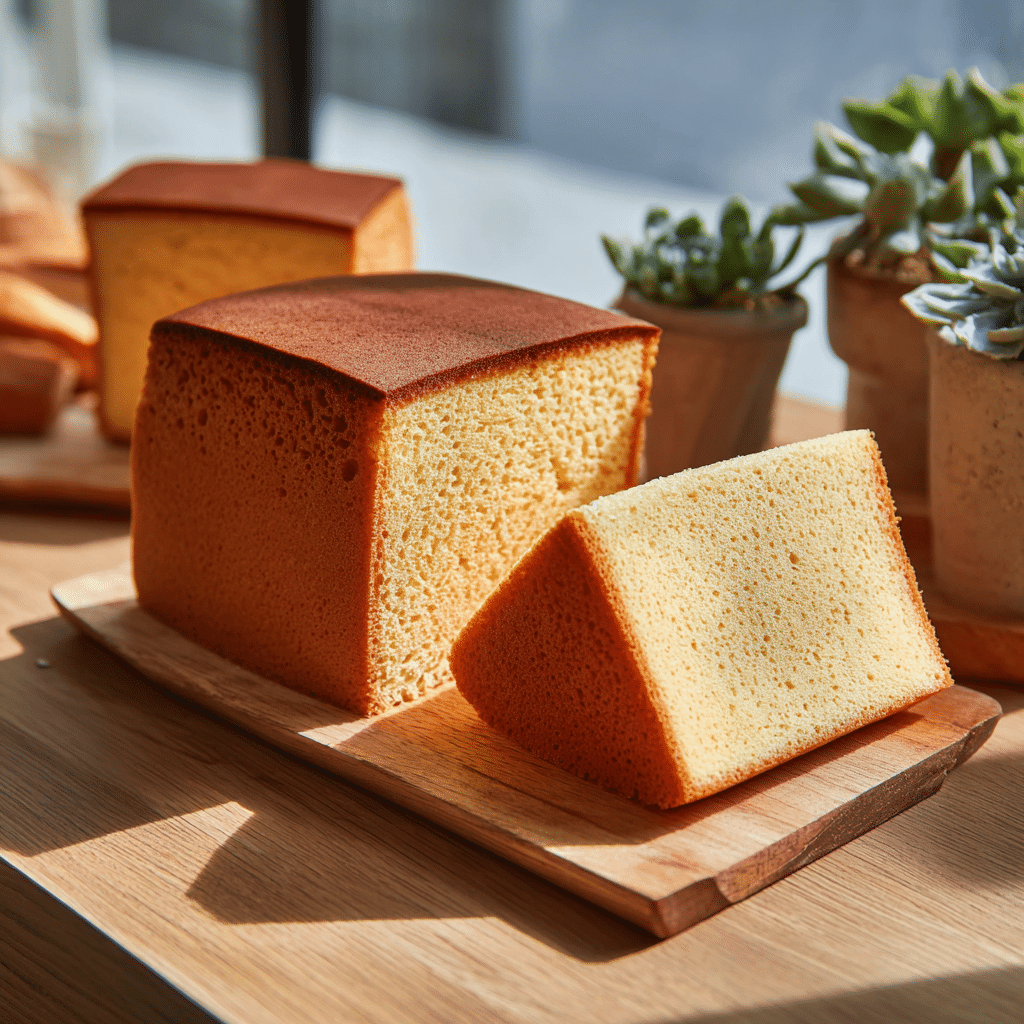
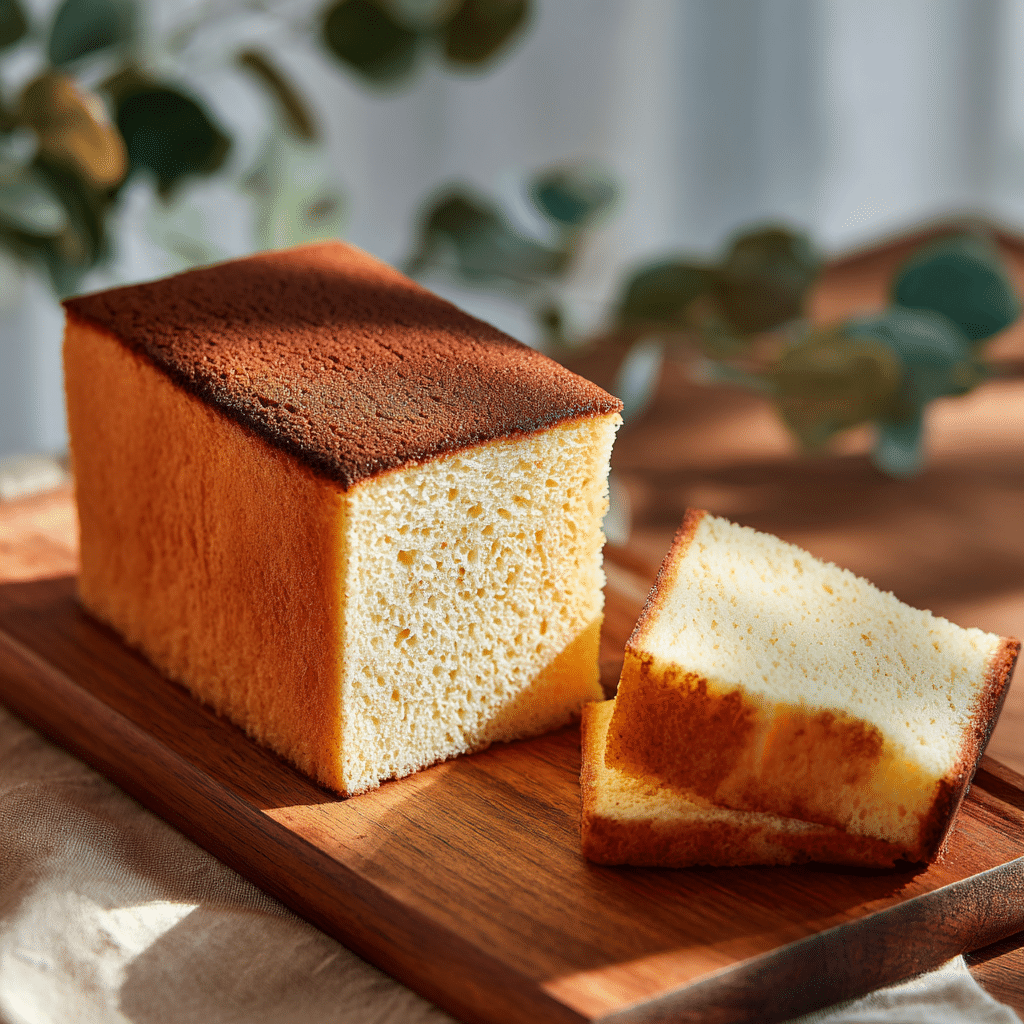
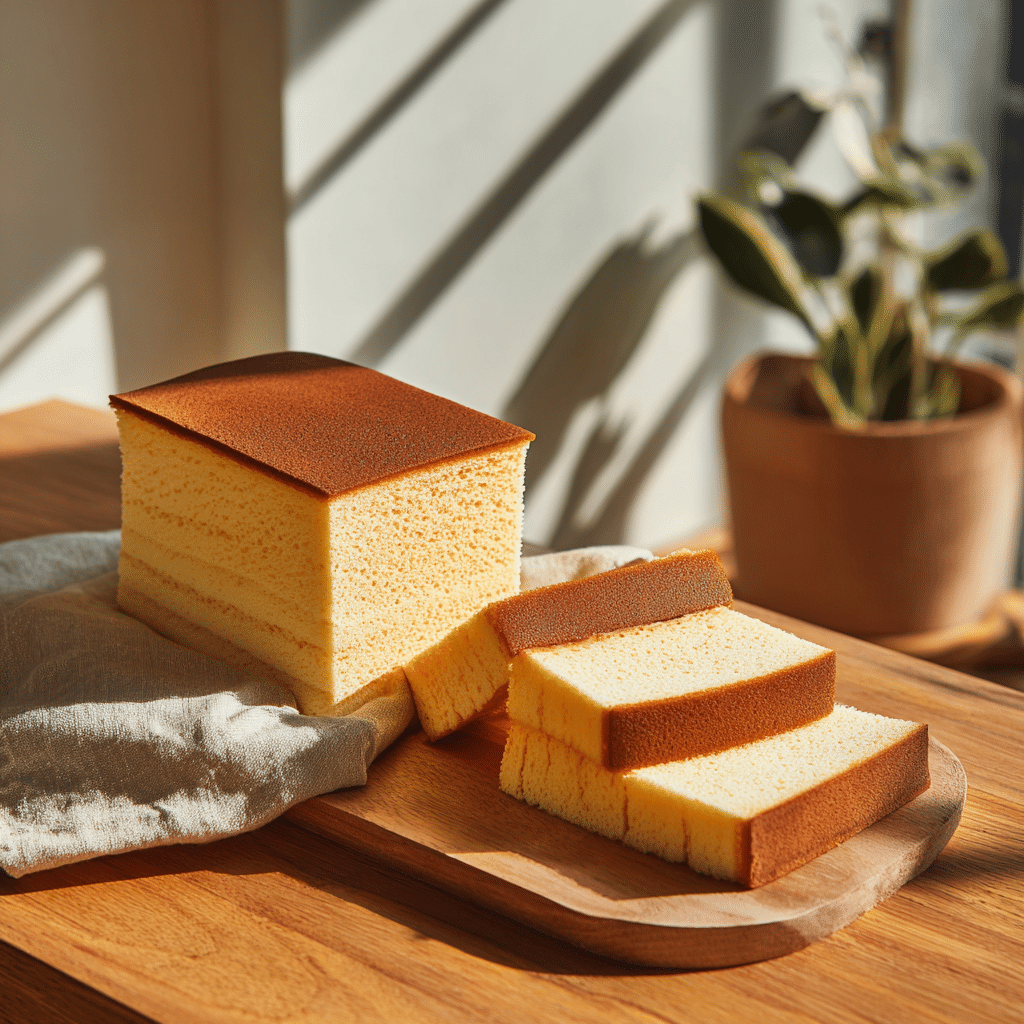
If you adore desserts that are light as air and melt in your mouth with just the right touch of sweetness, then you are going to fall head over heels for this Taiwanese Castella Cake. This iconic treat from Taiwan is beloved for its irresistibly fluffy, bouncy texture and gentle sweetness that feels like a warm hug. Made from a handful of simple ingredients, the Taiwanese Castella Cake is a perfect example of how humble basics can create something truly extraordinary. Get ready to learn all about this joyful cake that’s as satisfying to make as it is to savor!
Ingredients You’ll Need
To make a spectacular Taiwanese Castella Cake, you’ll rely on a handful of basic ingredients that each play a starring role in creating the cake’s signature texture and flavor. From the soft cake flour to the rich eggs, every item is essential for that delicate balance.
- Cake flour: The lightness of cake flour is key to achieving the airy crumb structure that Taiwanese Castella Cake is known for.
- Salt: Just a pinch to enhance flavors without overpowering the cake’s gentle sweetness.
- Unsalted butter: Brings richness and tenderness to the cake, melted gently with milk to retain moisture.
- Whole milk: Adds moisture and smoothness to the batter for a velvety finish.
- Large eggs (yolks and whites separated): The eggs work wonders here, with yolks enriching the batter and whites whipped into a soft meringue that gives the cake its lofty rise.
- Cream of tartar: Helps stabilize the egg whites as you whip them into a perfect meringue.
- Vanilla extract: Adds a subtle, comforting note that lifts the flavor of the cake.
- Granulated sugar: Sweetens and supports the meringue structure, crucial for that light sponginess.
How to Make Taiwanese Castella Cake
Step 1: Prepare Your Pan and Oven
Start by preheating your oven to 300°F (150°C). Line an 8x8x3 inch pan with parchment paper, making sure the paper extends about an inch above the edges. Wrapping the outside of the pan with aluminum foil ensures no water seeps in during the water bath later—essential for that perfect moisture level.
Step 2: Sift Cake Flour and Salt
To avoid any lumps and keep the cake’s crumb light and even, sift together the cake flour and salt into a large mixing bowl. This step might seem simple, but it truly sets the stage for the fluffy texture that follows.
Step 3: Warm Butter and Milk
In a small saucepan over medium heat, gently melt the unsalted butter into the whole milk until the mixture reaches just about 120°F (49°C). Be careful not to let it simmer or boil—just warm enough to blend smoothly without curdling.
Step 4: Combine Butter-Milk with Cake Flour
Pour the warm butter and milk mix into the sifted flour and salt, then whisk until everything is fully incorporated with no stubborn lumps. This mixture forms the flavorful base of your Taiwanese Castella Cake.
Step 5: Add Egg Yolks and Vanilla
Now for the richness: add the egg yolks one by one, whisking after each addition so they blend completely. Then stir in the vanilla extract for that aromatic lift. This creates a luscious, smooth batter ready for the magic of meringue.
Step 6: Whip the Meringue
In a clean bowl, lightly wipe the whisk and bowl with some white vinegar to help stabilize the egg whites. Beat the egg whites and cream of tartar on low speed until foamy. Gradually add your granulated sugar in three parts while increasing the speed to medium. Keep whipping until soft peaks form—when the peaks gently fall over without stiffly standing up—this is the moment the Taiwanese Castella Cake starts to come alive.
Step 7: Fold the Meringue Into the Batter
Gently fold a third of the meringue into the egg yolk mixture using a spatula. Be careful to lift and turn the batter rather than stirring aggressively—this preserves the airy texture. Repeat folding with the remaining meringue until the mixture is smooth and evenly blended, a delicate dance that results in a beautifully light batter.
Step 8: Bake in a Water Bath
Pour the batter into your prepared pan, smoothing the top gently. Place the pan in a larger roasting dish filled with hot water (about 175°F or 79°C) to create a water bath. The steam from this bath ensures the cake cooks slowly and evenly, adding to the soft and bouncy texture. Bake for about 1 hour and 10 minutes until the top is golden and a skewer inserted in the center comes out clean.
How to Serve Taiwanese Castella Cake
Garnishes
While the Taiwanese Castella Cake is perfect on its own with its delicate and subtle sweetness, you can elevate it with simple garnishes like a dusting of powdered sugar or a light drizzle of honey. Fresh berries or a sprig of mint add a bright, fresh contrast that’s delightful.
Side Dishes
Pair this airy cake with a cup of your favorite tea or a mild coffee to complement its texture without overshadowing its flavor. Light fruit compotes or a dollop of whipped cream also make excellent companions that keep the focus on the cake’s fluffy charm.
Creative Ways to Present
Cut the Taiwanese Castella Cake into neat squares or rectangles, and serve on a pretty plate layered with edible flowers or alongside a ramekin of sweetened condensed milk dipping sauce. For a sweeter twist, serve it with a scoop of creamy ice cream for a dreamy dessert experience.
Make Ahead and Storage
Storing Leftovers
You can keep leftovers wrapped tightly in plastic wrap or stored in an airtight container at room temperature for up to two days. This helps maintain the cake’s soft, moist texture without drying out.
Freezing
Wrap individual portions of Taiwanese Castella Cake in plastic wrap, then place them inside a freezer-safe bag or container. Frozen, the cake stays good for up to a month. Thaw in the fridge overnight before enjoying.
Reheating
Reheat slices gently in a microwave for 10 to 15 seconds or in a warm oven at low temperature covered loosely with foil. Avoid overheating to preserve that iconic fluffy, springy texture that makes Taiwanese Castella Cake so special.
FAQs
What makes Taiwanese Castella Cake different from other sponge cakes?
Its unique, ultra-fluffy and bouncy texture comes from folding whipped meringue into a rich batter and baking in a water bath, which creates moistness and height unmatched by typical sponge cakes.
Can I use all-purpose flour instead of cake flour?
While you can substitute all-purpose flour, the texture won’t be as light and delicate. Cake flour has less protein, which helps achieve the signature tenderness and fluffiness of Taiwanese Castella Cake.
Why do I need to bake the cake in a water bath?
The water bath adds moisture and gentle heat around the cake, preventing cracks and ensuring an even, soft rise. It’s a crucial step for that signature tender crumb.
How do I know when the meringue is ready?
The meringue is ready when it forms soft peaks that slightly flop over when you lift the whisk. This means it’s aerated enough to give the cake volume but not so stiff that it becomes dry or grainy.
Can I make this cake dairy-free?
Possible adjustments include swapping the butter for a plant-based alternative and using dairy-free milk like almond or oat milk. Keep in mind the flavor and texture may differ slightly from the traditional version.
Final Thoughts
There’s something so wonderfully satisfying about making a Taiwanese Castella Cake from scratch. It’s a cake that feels like a gentle celebration with every bite—fluffy, tender, and just sweet enough to brighten your day. Whether you’re treating yourself or sharing with friends and family, this cake embodies comfort and joy in the most delightful way. I hope you enjoy every step of making it as much as you enjoy eating it!