A Taste of Tradition Recipe
If you have ever craved the comforting aroma and soft, pillowy texture of freshly baked bread, this Amish White Bread recipe will give you A Taste of Tradition like no other. Rooted in simplicity and wholesome goodness, this bread captures the essence of homemade baking, where every ingredient has a purpose and every step invites you into a warm kitchen filled with love and heritage. Whether you’re an experienced baker or just starting out, this recipe provides a delightful journey to the heart of classic American bread-making. Get ready to roll up your sleeves and create something truly special that brings families together around the table.

Ingredients You’ll Need
These ingredients are wonderfully simple yet absolutely essential for achieving that perfect balance of flavor, texture, and color in your Amish White Bread. Each component plays a vital role, from the sugar that feeds the yeast to the flour that forms the sturdy, tender crumb.
- White sugar: ⅔ cup – provides sweetness and helps activate the yeast for a beautiful rise.
- Warm water (110 degrees F / 45 degrees C): 2 cups – the ideal temperature to wake up your yeast without killing it.
- Salt: 1½ teaspoons – balances the flavors and strengthens the dough’s gluten structure.
- Bread flour: 6 cups – offers the necessary protein content for a chewy yet tender crumb.
- Vegetable oil: ¼ cup – keeps the bread moist and extends its freshness.
- Active dry yeast: 1½ tablespoons – the magical leavening agent that brings life and airiness to the dough.
How to Make A Taste of Tradition
Step 1: Activate the Yeast
Start by dissolving the white sugar in warm water until it’s nicely blended. Sprinkle the active dry yeast on top and watch closely as it turns creamy and foamy, signaling that your yeast is ready to do its wonderful work. This simple step sets the stage for a fluffy loaf packed with character.
Step 2: Prepare the Dough
Once your yeast mixture is bubbling, stir in the salt and vegetable oil for flavor and richness. Gradually add the bread flour, one cup at a time, mixing as you go to build a soft, workable dough. Kneading on a floured surface until smooth helps develop the gluten, which will give structure and elasticity to your bread.
Step 3: First Rise
Transfer the dough to a well-oiled bowl and cover it with a damp cloth to keep the air moist. Let your dough rise in a warm, draft-free place until it has doubled in size, about an hour. This moment is magical—it’s when the yeast does its work, creating delicate bubbles that give the bread its soft crumb.
Step 4: Shape and Second Rise
After the dough has risen, give it a gentle knead to release excess air. Divide it into two equal parts and shape each into a loaf. Place the loaves into well-oiled loaf pans and cover again, letting them rise for an additional 30 minutes. This final rise ensures a light, tender interior and a golden crust.
Step 5: Bake Your Bread
Preheat your oven to 175 degrees Celsius (350 degrees Fahrenheit). Bake the loaves for around 30 minutes until the crust is a beautiful golden brown and sounds hollow when tapped. Remove from the pans and let them cool slightly before slicing into that amazing loaf you created with your own hands.
How to Serve A Taste of Tradition
Garnishes
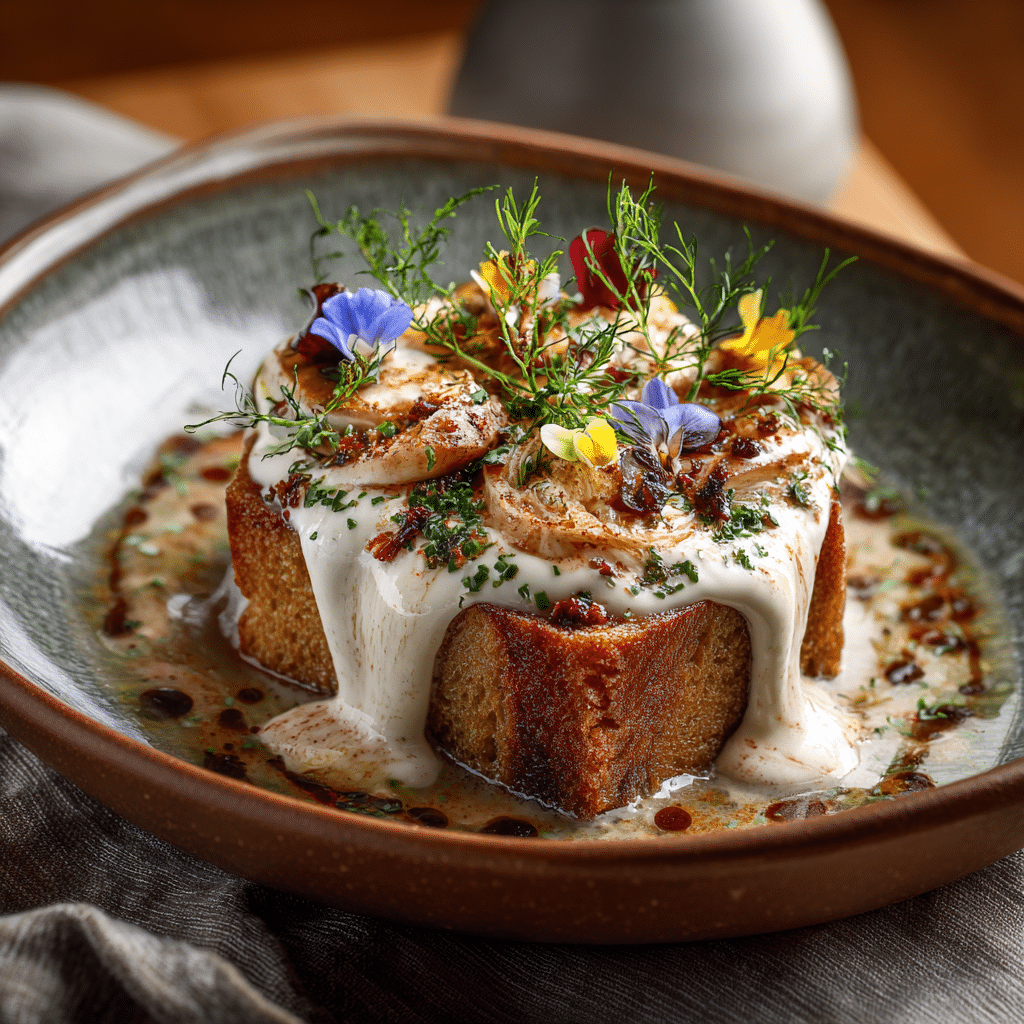
Enhance your Amish White Bread with a generous spread of creamy butter or a drizzle of honey for a simple yet irresistible treat. For a flavorful twist, try topping warm slices with cinnamon sugar or a thick layer of your favorite jam to brighten every bite.
Side Dishes
This bread shines alongside classic comfort foods like hearty soups, creamy stews, or crisp salads. Its soft texture and mild flavor make it a perfect partner for robust dishes like beef pot roast or a rich tomato bisque that invites dunking and savoring.
Creative Ways to Present
Want to elevate your A Taste of Tradition experience? Slice the bread thickly and toast it until golden, then serve alongside a charcuterie board with cheeses and cured meats for a casual yet elegant spread. Alternatively, use this bread to craft gourmet sandwiches with fresh vegetables and savory spreads that will wow your guests at any gathering.
Make Ahead and Storage
Storing Leftovers
Wrap your Amish White Bread tightly in a clean dish towel or place it inside a plastic bag to maintain freshness. Stored in a cool, dry place, the bread will stay soft and delicious for up to a week, perfect for enjoying throughout the week without losing any of its charm.
Freezing
If you want to keep your bread fresh for longer, freezing is a fantastic option. Slice it first, then wrap each loaf or slices tightly in plastic wrap followed by aluminum foil to prevent freezer burn. When you want to enjoy it, simply thaw at room temperature or heat gently in the oven.
Reheating
To bring back that freshly baked warmth, reheat slices in a toaster or warm whole loaves in the oven wrapped in foil. Avoid microwaving to maintain the bread’s wonderful texture and crust. This way, every bite still delivers A Taste of Tradition as if it just came out of the oven.
FAQs
Can I use all-purpose flour instead of bread flour?
While all-purpose flour can work in a pinch, bread flour is preferable because its higher protein content creates better gluten development, resulting in a chewier, more satisfying loaf with A Taste of Tradition authenticity.
What if my dough doesn’t rise?
This can happen if the yeast was old or the water was too hot or cold. Always ensure your yeast is fresh and your water is around 110 degrees Fahrenheit; warm but not scalding. Rising times can also vary depending on room temperature.
Can I add ingredients like nuts or raisins?
Absolutely! Feel free to mix in your favorites like nuts, raisins, or even herbs for a personalized twist. These additions complement the bread’s natural flavor and bring a unique spin on your own A Taste of Tradition.
How thick should I slice the bread?
Slice to your preference! For sandwiches, about ½ to ¾ inch works well, while thicker slices make perfect bases for toast or open-faced dishes, highlighting the bread’s soft, tender crumb.
Is this recipe suitable for beginners?
Definitely. The straightforward steps and simple ingredients make this Amish White Bread a great project for novice bakers eager to experience A Taste of Tradition in their own kitchens.
Final Thoughts
Baking this Amish White Bread is more than just creating something delicious—it’s embracing a piece of culinary history and sharing warmth with those around you. I encourage you to try this recipe and discover your own A Taste of Tradition that can become a cherished part of your family’s kitchen rituals and happy moments.