Baklava Recipe
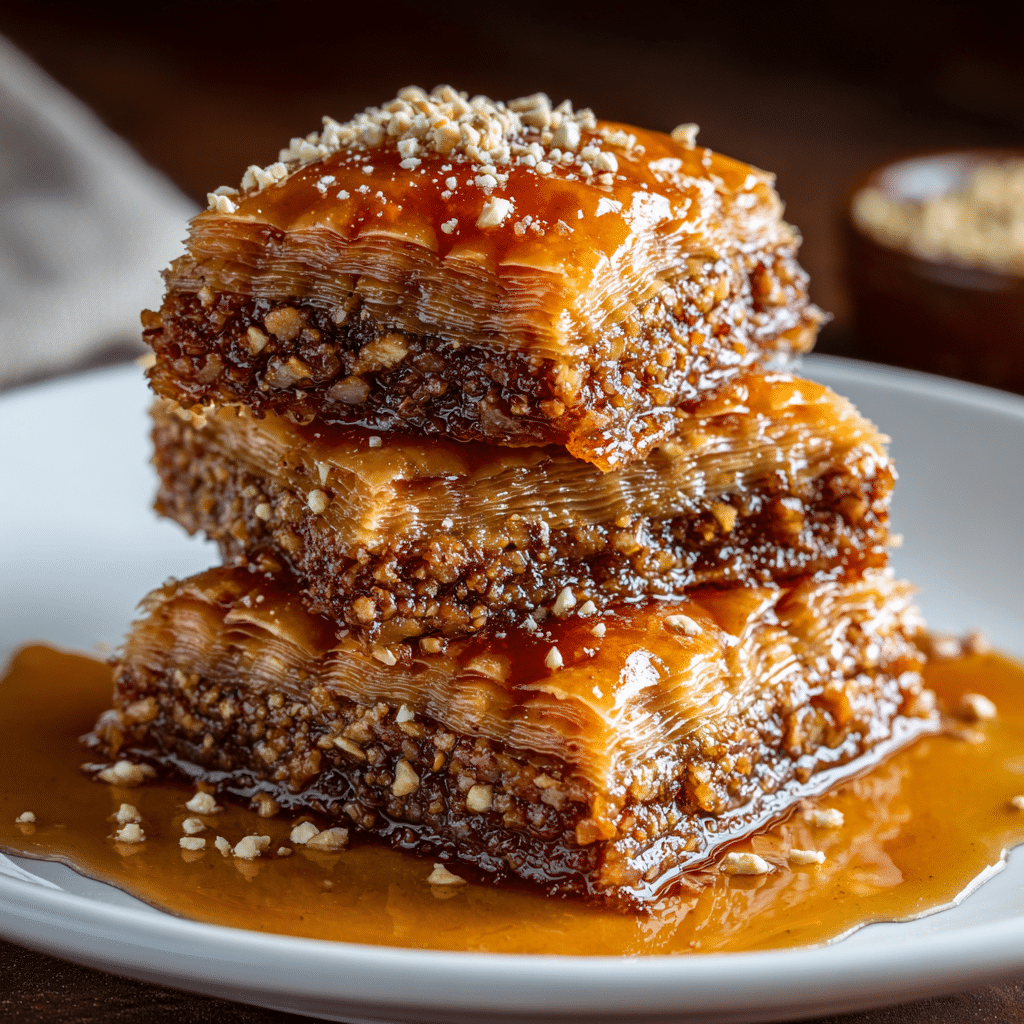
Baklava is a heavenly Greek dessert that brings together layers of crispy phyllo dough, a fragrant blend of chopped nuts and spices, all drenched in a luscious honey syrup. Every bite delivers a perfect mix of crunch, sweetness, and warmth that feels like a special celebration in your mouth. Whether it’s your first time or you’ve been a fan for years, mastering this classic Baklava recipe is a true joy that fills your kitchen with irresistible aromas and your heart with pride.
Ingredients You’ll Need
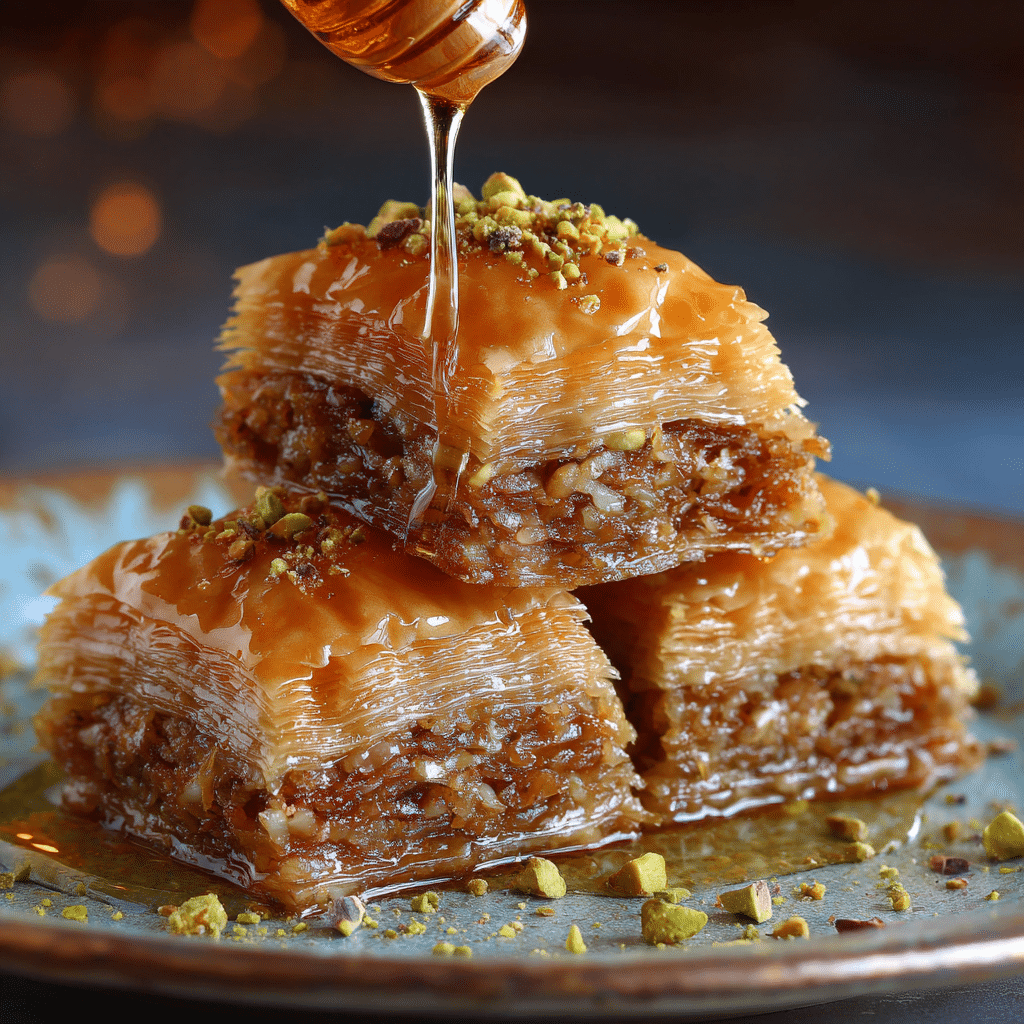
These ingredients might seem simple, but each plays an essential role in building the layers of flavor, texture, and color that make Baklava unforgettable. From crisp phyllo sheets to fragrant spices and rich honey, every component shines through in harmony.
- Granulated sugar: Sweetens both the syrup and nut filling, balancing the spices perfectly.
- Water: Helps dissolve the sugar into a smooth syrup that soaks into the Baklava.
- Good quality honey: Adds deep floral sweetness and sticky richness to the syrup.
- Cinnamon stick: Brings warm, aromatic spice to the syrup for that signature flavor.
- Whole cardamom: Imparts a subtle citrusy and herbal note available in both syrup and nut layers.
- Orange peel (optional): Introduces a fresh zest to brighten the syrup’s flavor.
- Fresh-squeezed lemon juice: Balances the sweetness with a touch of acidity to prevent cloying syrup.
- Walnuts: Provide hearty crunch and earthiness to the nut filling.
- Shelled pistachios: Add vibrant color and a buttery, mildly sweet taste to the nuts and topping.
- Ground cinnamon: Infuses every nutty bite with comforting warmth.
- Ground cardamom: Elevates the nut filling with exotic flavor layers.
- Kosher salt: Enhances all the sweet and savory notes by balancing flavors.
- Phyllo dough: The star of Baklava’s flaky, golden layers that create delightful crispness.
- Unsalted butter: Brushed between layers for that irresistible, rich crunch and color.
How to Make Baklava
Step 1: Prepare the Syrup
Start by combining sugar and water in a saucepan over medium-high heat. Stir gently to help the sugar dissolve completely. Then add the honey, cinnamon stick, and cardamom pods. Bring the mixture to a rolling boil before lowering the heat to let it simmer gently for about 10 to 15 minutes. This slow simmer develops a thick, fragrant syrup. Once done, stir in fresh lemon juice to brighten the syrup, then strain out the orange peel, cinnamon, and cardamom. Set your syrup aside to cool; this is what will soak into your Baklava, making each bite wonderfully sticky and sweet.
Step 2: Prepare the Nut Filling
While the syrup is cooling, pulse the walnuts and pistachios in a food processor until finely chopped but not powdery — you want a nice crunch inside your Baklava. Transfer the nuts into a large bowl and stir in sugar, ground cinnamon, cardamom, and salt until mixed evenly. This aromatic, spiced nut mixture will lie between the buttery layers of phyllo, adding that perfect texture and flavor bite.
Step 3: Assemble the Baklava Layers
Preheat your oven to 350 degrees Fahrenheit and place a rack in the center. Unwrap your thawed phyllo sheets carefully and cover them with a clean towel to prevent them drying out or tearing. Brush the bottom of a 9×13-inch baking pan with melted butter. Take one phyllo sheet, fold it in half, lay it down, and brush it generously with butter. Repeat this with four more sheets for a total of eight stacked layers. Next, spread half the nut mixture evenly on top of these layers. Add five more buttered, folded phyllo sheets, then spread your remaining nuts. Finish by layering the remaining phyllo sheets, buttering each one until all are used up. This stacking process creates the irresistible crisp flakes of your Baklava.
Step 4: Cut and Bake
Before you bake, take a sharp knife and cut the Baklava into diamond or square shapes, about one to one and a half inches wide. This step is crucial because it allows the syrup to soak evenly later on. Drizzle any leftover melted butter over the top to encourage an even golden bake. Place the pan in the oven and bake for 40 to 50 minutes until the top looks beautifully golden and crisp.
Step 5: Add the Syrup and Cool
As soon as the Baklava comes out of the oven, pour your cooled syrup evenly over the hot pastry. This ensures the syrup is absorbed throughout, creating those moist, luscious layers people adore. Let the Baklava rest at room temperature for several hours, or at least an hour, so the flavors meld and the syrup settles in, completing the magic of this iconic dessert.
How to Serve Baklava
Garnishes
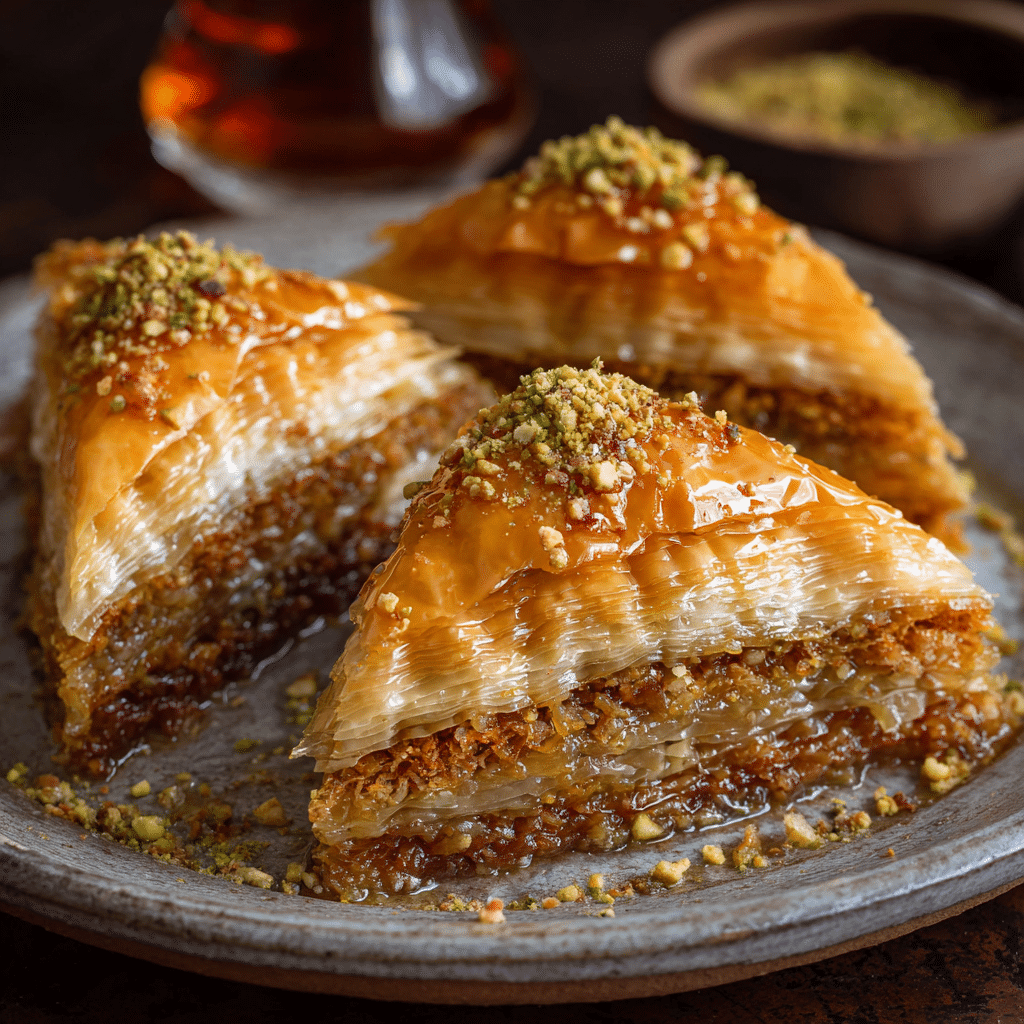
Freshly chopped pistachios sprinkled right before serving add a pop of color and a fresh crunch that brightens every bite of your Baklava. You can also dust it lightly with ground cinnamon for an extra aromatic touch that ties the flavors together beautifully.
Side Dishes
Baklava pairs wonderfully with a scoop of creamy vanilla ice cream or a dollop of whipped cream to contrast its crunch and sweetness. For a more traditional twist, serve with strong Turkish coffee or a bold black tea to balance the rich syrupy flavors.
Creative Ways to Present
Try serving Baklava on a decorative platter dusted with edible rose petals or alongside fresh fruit like figs or pomegranate seeds. Individual portions nestled in mini serving dishes or wrapped in parchment paper make delightful gifts or party treats that celebrate its Middle Eastern roots with flair.
Make Ahead and Storage
Storing Leftovers
Baklava keeps beautifully at room temperature in an airtight container for up to a week. The syrup ensures the layers stay moist, while the tightly sealed container preserves its crispiness, making it a great make-ahead dessert for gatherings.
Freezing
You can freeze Baklava either before or after baking. Wrap it tightly in plastic wrap and foil to prevent freezer burn. When frozen unbaked, thaw overnight in the fridge before baking. For baked Baklava, thaw at room temperature and enjoy within a month for the best taste and texture.
Reheating
If your Baklava loses some of its crispness, pop it in a preheated 300-degree oven for about 5 to 10 minutes to warm through and refresh the flaky layers. Avoid microwaving as it can make the phyllo soggy.
FAQs
What type of nuts are best for Baklava?
Traditional Baklava uses a mix of walnuts and pistachios, which provide a lovely balance of rich, earthy, and subtly sweet flavors with great crunch. However, you can experiment with almonds or pecans depending on your preference.
Can I use store-bought phyllo dough for this recipe?
Absolutely! Using store-bought phyllo dough is the easiest and most convenient option. Just be sure to thaw it properly, covering it with a towel to keep it moist and prevent tearing during assembly.
Is Baklava very sweet?
Baklava is sweet, especially due to the honey syrup, but the spices and nuts provide balance so the sweetness never feels overwhelming. Adjust the syrup or sugar slightly if you prefer a milder sweetness.
Why do we add lemon juice to the syrup?
Lemon juice adds a touch of acidity that balances the syrup’s sweetness and helps prevent it from crystallizing, giving your Baklava a smooth, sticky finish that isn’t too cloying.
How long should I let Baklava sit before serving?
It’s best to let Baklava rest at room temperature for several hours or preferably overnight. This resting time allows the syrup to soak fully into the layers, creating that perfect moist yet crisp texture.
Final Thoughts
Baklava is truly a treat worth making — it’s a beautiful, flavorful celebration of texture and taste that brightens any occasion. Once you’ve tried this recipe, I guarantee it will become a beloved staple in your dessert rotation. So go ahead, gather your ingredients, and dive into crafting this sweet, nutty masterpiece that will wow your friends and family with every flaky, syrupy bite.