Gochujang Pasta Recipe
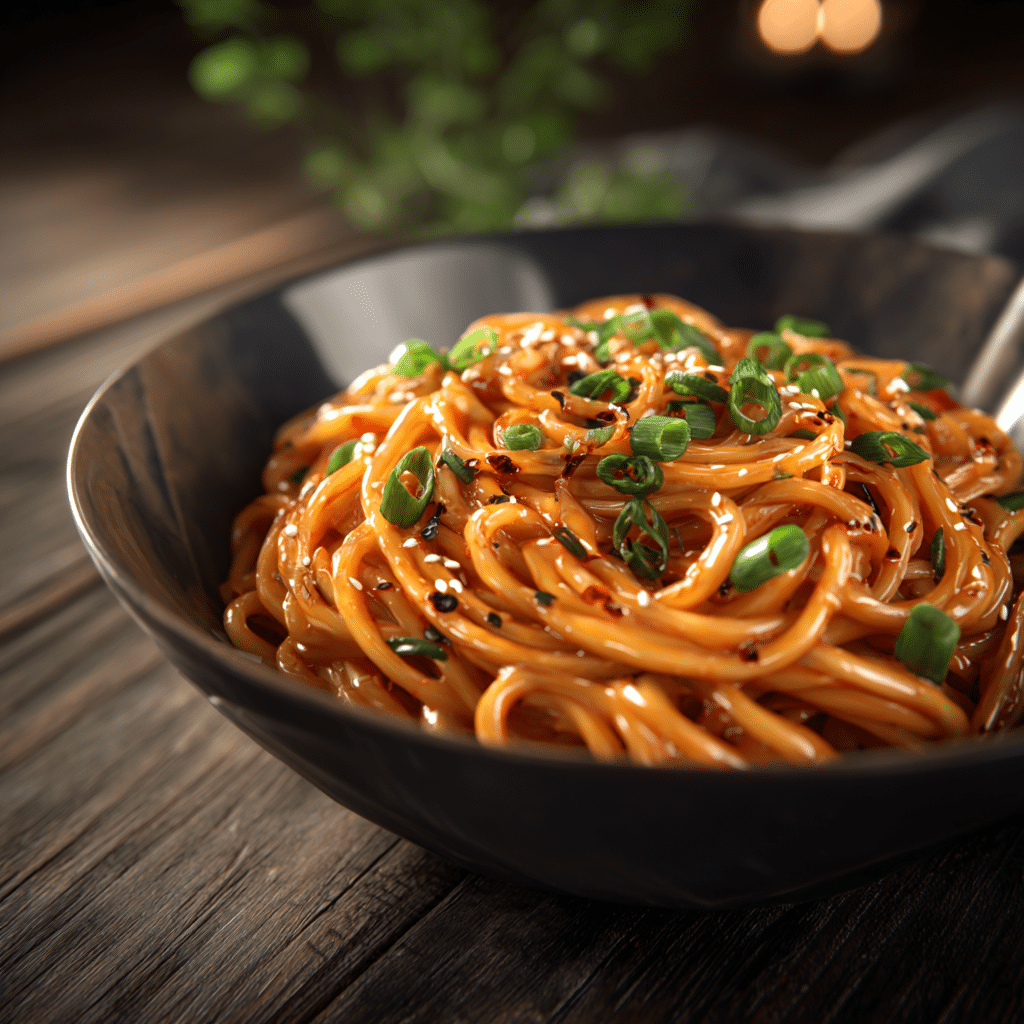
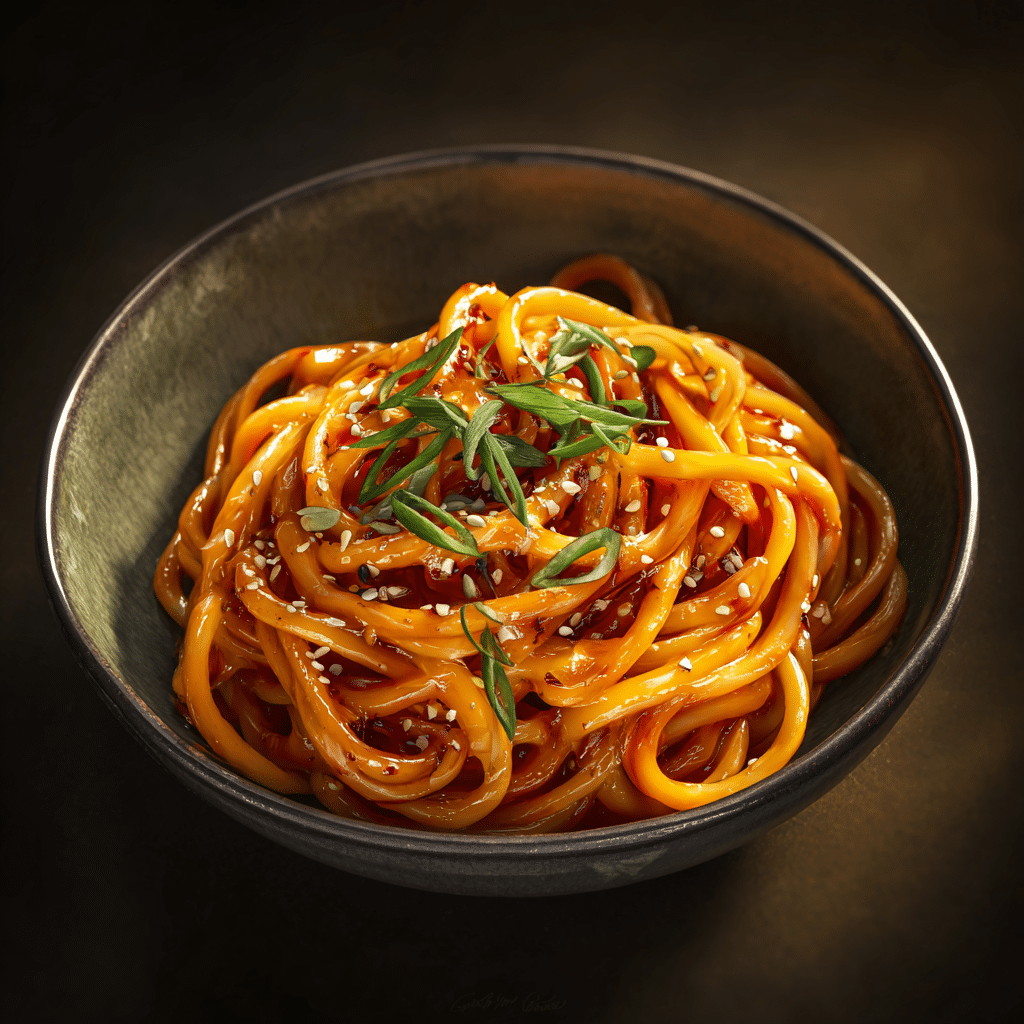
If you’re craving a dish that’s bursting with creamy, bold flavors and a touch of spicy excitement, then this Gochujang Pasta is about to become your new favorite weeknight hero. Combining the rich, savory creaminess of Italian-style pasta with the vibrant, slightly sweet heat of Korean gochujang chili paste, this Asian fusion delight comes together in under 20 minutes for a spectacularly easy yet impressive meal. Think silky sauce, perfectly cooked pasta, and that unforgettable kick that keeps you coming back for more.
Ingredients You’ll Need
These ingredients are wonderfully simple but beautifully essential for achieving the perfect balance in your Gochujang Pasta. Each brings something to the table, whether it’s creaminess, heat, or aromatic depth, making every bite a satisfying experience.
- 8 oz dried rigatoni pasta (or fusilli, spaghetti): Choose your favorite pasta shape to soak up that luscious sauce perfectly.
- 6 cloves garlic, minced: Adds fragrant, mellow pungency that brightens the dish.
- 1 medium shallot, diced: Brings a subtle sweetness and depth when sautéed.
- 3 tablespoons unsalted butter: For a rich and velvety base that coats the pasta beautifully.
- 2 ½ tablespoons gochujang: The star ingredient, delivering that signature spicy, tangy, and slightly sweet flavor.
- 1 ¼ cups heavy cream: Creates the creamy texture that balances the heat of the gochujang.
- 1 tablespoon oyster sauce: Adds umami depth and rounds out the sauce’s complexity.
- ⅓ cup parmesan cheese, freshly grated: Adds a nutty, savory punch that melds perfectly with creamy and spicy notes.
- ½ cup reserved pasta water (or more as needed): Helps loosen the sauce and bind it smoothly to the pasta.
How to Make Gochujang Pasta
Step 1: Cook the Pasta
Start by bringing a large pot of well-salted water to a rolling boil over high heat. Cook your chosen pasta until it’s perfectly al dente — firm to the bite but cooked through. Remember to save about a half cup of pasta water before draining; this will be magic for adjusting your sauce’s consistency later.
Step 2: Sauté the Aromatics
In a large skillet over medium-low heat, melt your butter gently. Toss in the minced garlic and diced shallots and sauté until fragrant, golden, and lightly caramelized. This quick step infuses the sauce with subtle sweetness and a fragrant base that sets the tone for your Gochujang Pasta.
Step 3: Incorporate Gochujang
Stir in the gochujang paste, letting it cook for about two minutes. This process helps mellow out its raw heat, allowing its complex chili flavor to deepen, making your sauce rich and inviting rather than aggressively spicy.
Step 4: Create the Creamy Sauce
Pour in the heavy cream along with the oyster sauce, stirring thoroughly to combine. Let the mixture simmer gently for 4 to 5 minutes until it thickens slightly, transforming into a luscious, silky sauce that hugs every pasta strand perfectly.
Step 5: Bring It All Together
Add your cooked pasta directly into the skillet. Toss everything to coat the noodles evenly in that dreamy gochujang cream sauce. Now sprinkle in the grated parmesan cheese and carefully add reserved pasta water a little at a time. This brings your sauce to just the right creamy consistency — smooth, saucy but not runny. Let it cook for an additional minute or two to marry all the flavors.
Step 6: Serve and Enjoy
Once your pasta is perfectly coated and bubbling, it’s ready to plate. Gather your garnishes, and get ready to dig into the incredible fusion of flavors that only Gochujang Pasta can offer.
How to Serve Gochujang Pasta
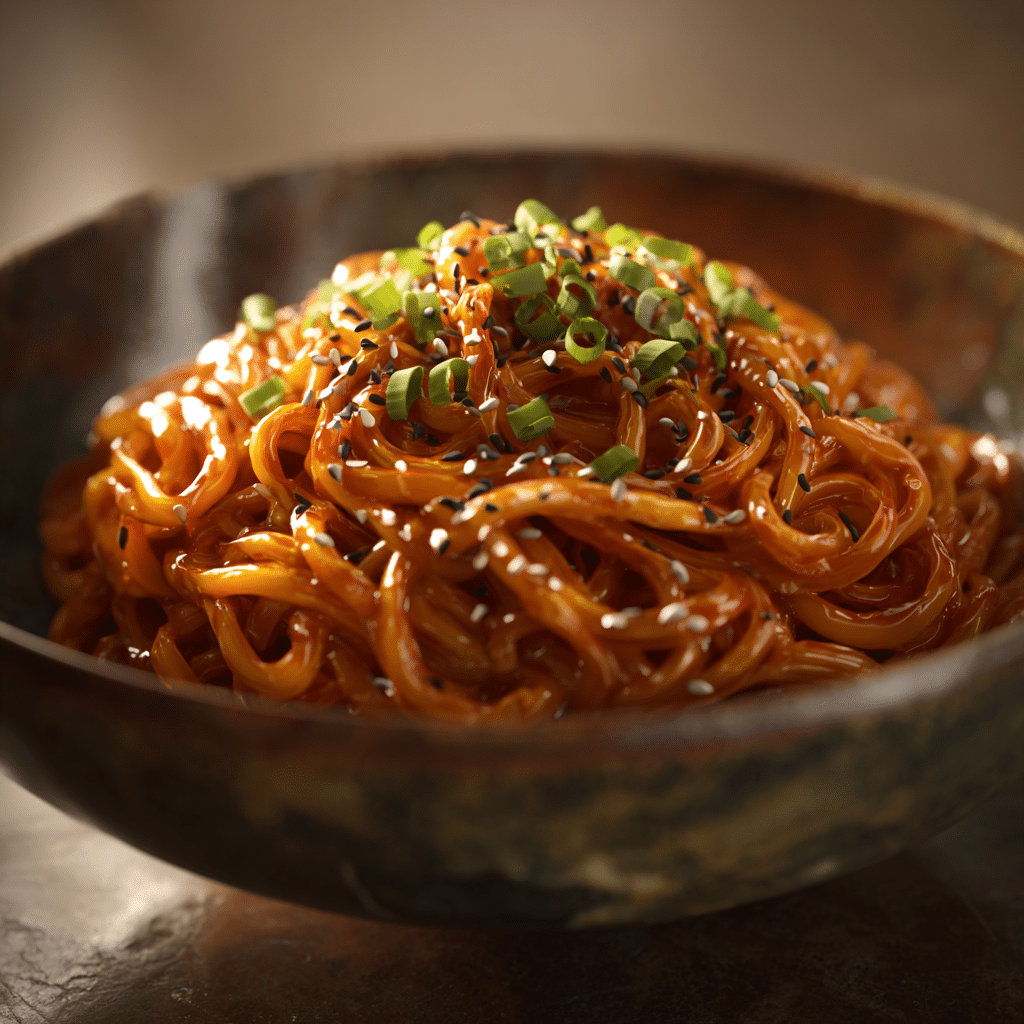
Garnishes
To elevate your Gochujang Pasta, sprinkle freshly grated parmesan cheese over the top for an extra savory layer. Chopped chives add a fresh, mild onion flavor and a lovely pop of color, balancing the creamy, spicy richness.
Side Dishes
This pasta holds its own beautifully, but pairing it with simple sides like a crisp cucumber salad or steamed bok choy helps refresh your palate between spicy bites. A light miso soup or some garlic bread can also be fun additions for a full meal experience.
Creative Ways to Present
Why not serve the Gochujang Pasta in stylish shallow bowls to highlight the creamy sauce’s glisten? For a party, individual ramekins sprinkled with extra parmesan and chives make it feel special. You can even drizzle a little toasted sesame oil on top for an added Asian flair that deepens the flavor profile.
Make Ahead and Storage
Storing Leftovers
If you find yourself with leftovers (which is rare because it’s so delicious), store the pasta in an airtight container in the refrigerator for up to 2 days. The sauce may thicken as it sits, so a gentle stir before reheating will bring it back to its creamy glory.
Freezing
Freezing Gochujang Pasta isn’t the best option since cream sauces can separate when thawed. However, if you must, freeze in a well-sealed container for up to one month and thaw overnight in the fridge before reheating gently.
Reheating
Reheat the pasta gently on the stovetop over low heat, adding a splash of water or cream as needed to revive that silky sauce texture. Avoid high heat to keep the cream from curdling and to preserve the delicate balance of flavors.
FAQs
Can I use a different type of pasta for Gochujang Pasta?
Absolutely! While rigatoni works wonderfully, fusilli, spaghetti, or penne all make terrific choices because they hold onto the creamy sauce beautifully.
How spicy is Gochujang Pasta?
Gochujang delivers a pleasant, moderate heat balanced by sweetness and creaminess. If you prefer milder dishes, you can reduce the amount of gochujang slightly or add more cream to mellow the spice.
Is oyster sauce necessary in this recipe?
Oyster sauce adds a crucial umami depth that amplifies the overall flavor, but if you want a vegetarian version, you can substitute with a plant-based umami sauce or soy sauce, keeping in mind it will slightly alter the taste.
Can I make this dish vegan?
You can! Use vegan butter, substitute heavy cream with coconut cream or cashew cream, and replace parmesan with a vegan cheese alternative. Just adjust the oyster sauce to a vegan-friendly substitute to keep that rich umami punch.
What wine pairs well with Gochujang Pasta?
Opt for a crisp, slightly fruity white wine like a Riesling or a dry rosé. These wines complement the creaminess and balance the spicy, savory notes splendidly.
Final Thoughts
This Gochujang Pasta is truly a kitchen game-changer — so simple to make yet utterly unforgettable on your plate. It’s a perfect blend of cultures, flavors, and textures that invites you to savor every bite with joy. I can’t wait for you to try this recipe and discover just how wonderfully creamy pasta and spicy Korean chili paste work together. Dive in and enjoy every luscious forkful!