Japanese Cake Roll Recipe
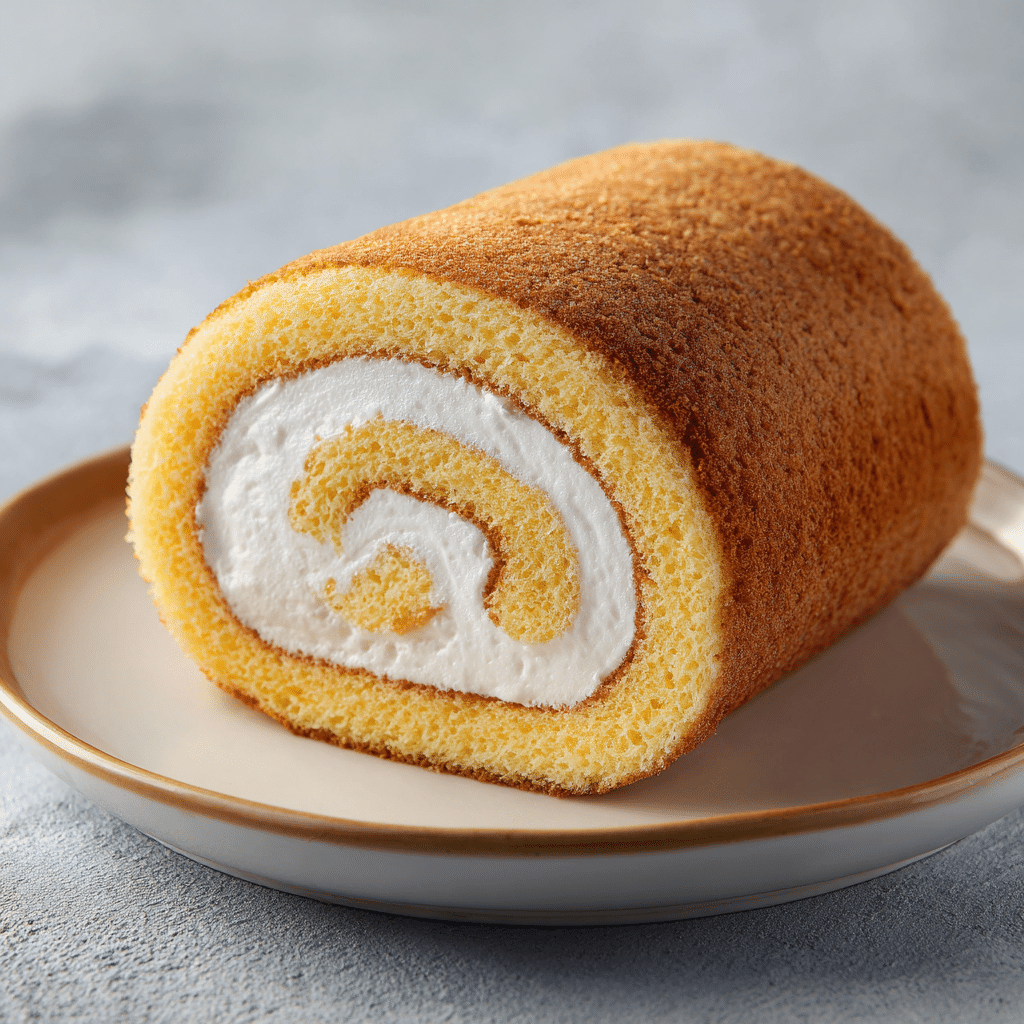
If you’ve ever found yourself dreaming of a dessert that is as light as a cloud yet richly satisfying, then this Japanese Cake Roll is exactly the treat you need in your life. This recipe delivers a fluffy, airy sponge that’s incredibly soft and tender, wrapped around a delightfully light whipped cream filling. Unlike overly sweet desserts, this Japanese Cake Roll balances subtle sweetness with an elegant texture making each bite a melt-in-your-mouth experience. Trust me, once you try this, you’ll wonder how you ever enjoyed rouleaux without it!
Ingredients You’ll Need
Gathering the right ingredients for a Japanese Cake Roll might sound like the start of an adventure, but don’t worry—it’s surprisingly simple. Each ingredient is thoughtfully chosen to create that ethereal sponge texture and just-sweet-enough flavor that make this cake so special.
- 4 large egg yolks (room temperature): Essential for richness and vibrant color in the batter.
- ¼ cup (50 g) granulated sugar (for egg yolk mixture): Provides the perfect gentle sweetness and helps create smooth batter.
- ¼ teaspoon (1 g) salt: Enhances all the flavors without overpowering them.
- ½ teaspoon vanilla extract: Adds that classic warm aroma and sweetness to the cake.
- ¼ cup (50 ml) vegetable oil: Keeps the cake moist and tender without heaviness.
- 3 tablespoons (50 ml) whole milk: Contributes to that soft crumb texture and subtle creaminess.
- ½ cup (67 g) cake flour: The light, fine flour that helps give the cake its delicate yet sturdy structure.
- ½ teaspoon (2 g) baking powder: Gives a gentle lift for a soft, airy sponge.
- 4 large egg whites (room temperature): The secret to creating a fluffy meringue that makes the cake light as air.
- ¼ teaspoon (1 g) cream of tartar: Stabilizes the egg whites for perfect meringue peaks.
- ⅓ cup (67 g) granulated sugar (for egg white meringue): Sweetens and strengthens the meringue to hold volume while baking.
- 1 cup (250 ml) heavy whipping cream: The luscious filling that pairs perfectly with the airy cake.
- 3 tablespoons (38 g) powdered sugar: Sweetens the whipped cream without affecting its light texture.
- 1 teaspoon vanilla extract: A subtle vanilla note to complement the whipped cream filling.
How to Make Japanese Cake Roll
Step 1: Prepare Your Oven and Pan
Start by lining a 9×13 inch baking pan with parchment paper for an easy release later. Preheat your oven to 350°F (176°C). Having everything ready upfront makes baking feel smooth and stress-free, which is exactly how we want to roll with this Japanese Cake Roll.
Step 2: Whisk Together the Egg Yolk Mixture
In a medium bowl, whisk the egg yolks, ¼ cup sugar, salt, vanilla extract, vegetable oil, and whole milk until fully combined. This mixture is the foundation for your tender cake crumb, and the egg yolks add a beautiful golden hue that’s a feast for the eyes as well as the palate.
Step 3: Incorporate the Dry Ingredients
Next, sift the cake flour and baking powder into your wet mixture to avoid lumps and ensure a light batter. Whisk gently until no flour streaks remain. This step is key for achieving that melt-in-your-mouth sponge that defines the Japanese Cake Roll.
Step 4: Create the Egg White Meringue
In a larger clean bowl, wipe it down with lemon juice or vinegar to rid any fat that could sabotage your meringue. Beat the egg whites with cream of tartar on high speed until frothy, then gradually add the ⅓ cup of sugar in three parts. Continue beating until you get stiff, shiny peaks holding their shape firmly—this is what provides the airy lift to your cake.
Step 5: Gently Fold Egg Whites into Egg Yolk Mixture
Add about one-third of the meringue into the yolk batter and fold gently with a rubber spatula. Repeat with the remaining portions, making sure to preserve as much air as you can. Folding carefully is the secret ingredient to a wonderfully delicate texture in your Japanese Cake Roll.
Step 6: Bake Until Just Done
Pour the combined batter into your prepared pan, smoothing it evenly, then give it a few gentle taps on the counter to release large air bubbles. Bake for 15 to 17 minutes until a toothpick inserted comes out clean. The cake will be slightly springy and ready to transform into that signature rolled delight.
Step 7: Roll the Cake While Warm
Right out of the oven, flip the cake onto a damp kitchen towel larger than the cake to prevent sticking. Carefully peel off the parchment paper and begin rolling the cake with the towel starting from the short side. Go slowly and gently to avoid cracks—this step allows the cake to ‘memorize’ its curled shape as it cools.
Step 8: Prepare the Whipped Cream Filling
Whip the heavy cream, powdered sugar, and vanilla extract until medium to stiff peaks form. This silky whipped cream will add a light, luscious filling, contrasting beautifully with the delicate sponge layers.
Step 9: Assemble Your Japanese Cake Roll
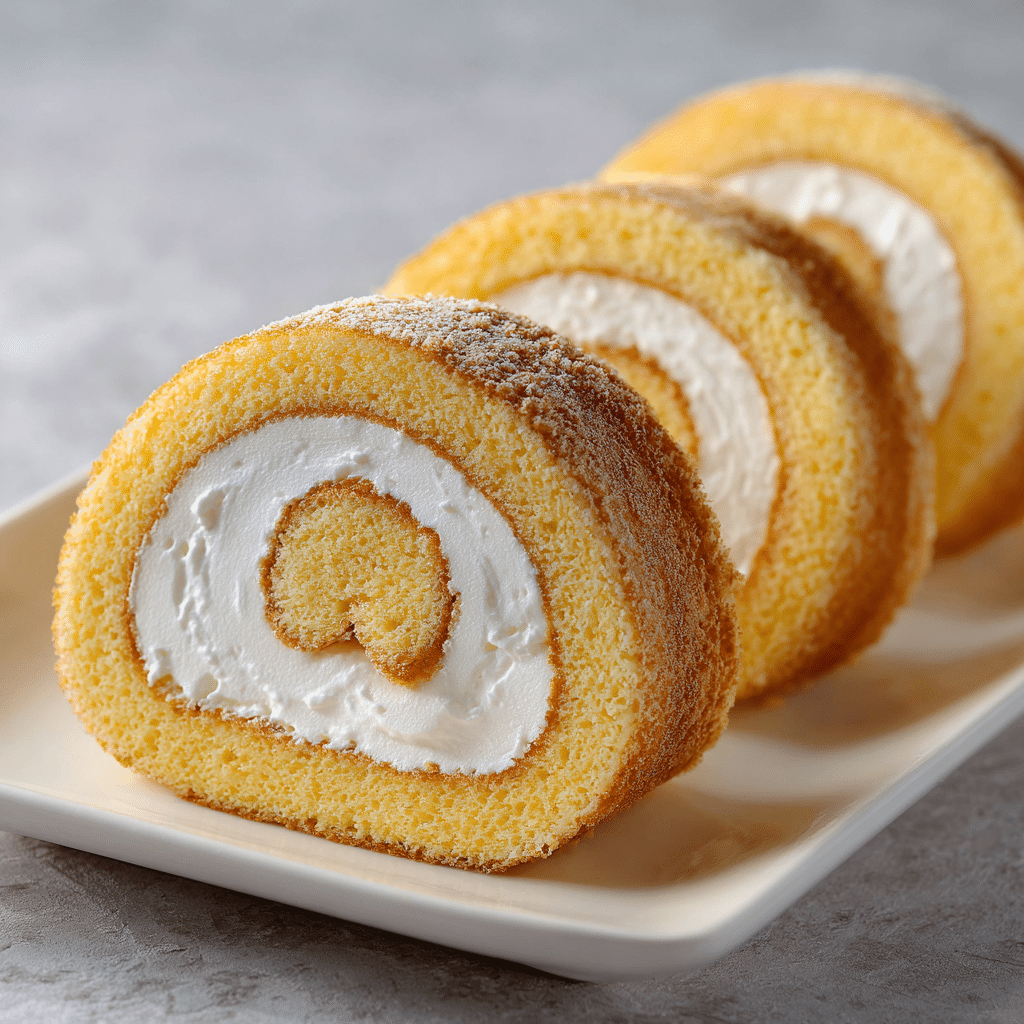
Once cool, carefully unroll the cake and trim the edges for clean presentation. Spread the whipped cream evenly, leaving a small border, then re-roll the cake tightly, but gently, without the towel. Wrap in plastic and let chill in the refrigerator for at least one hour to set, then slice and serve.
How to Serve Japanese Cake Roll
Garnishes
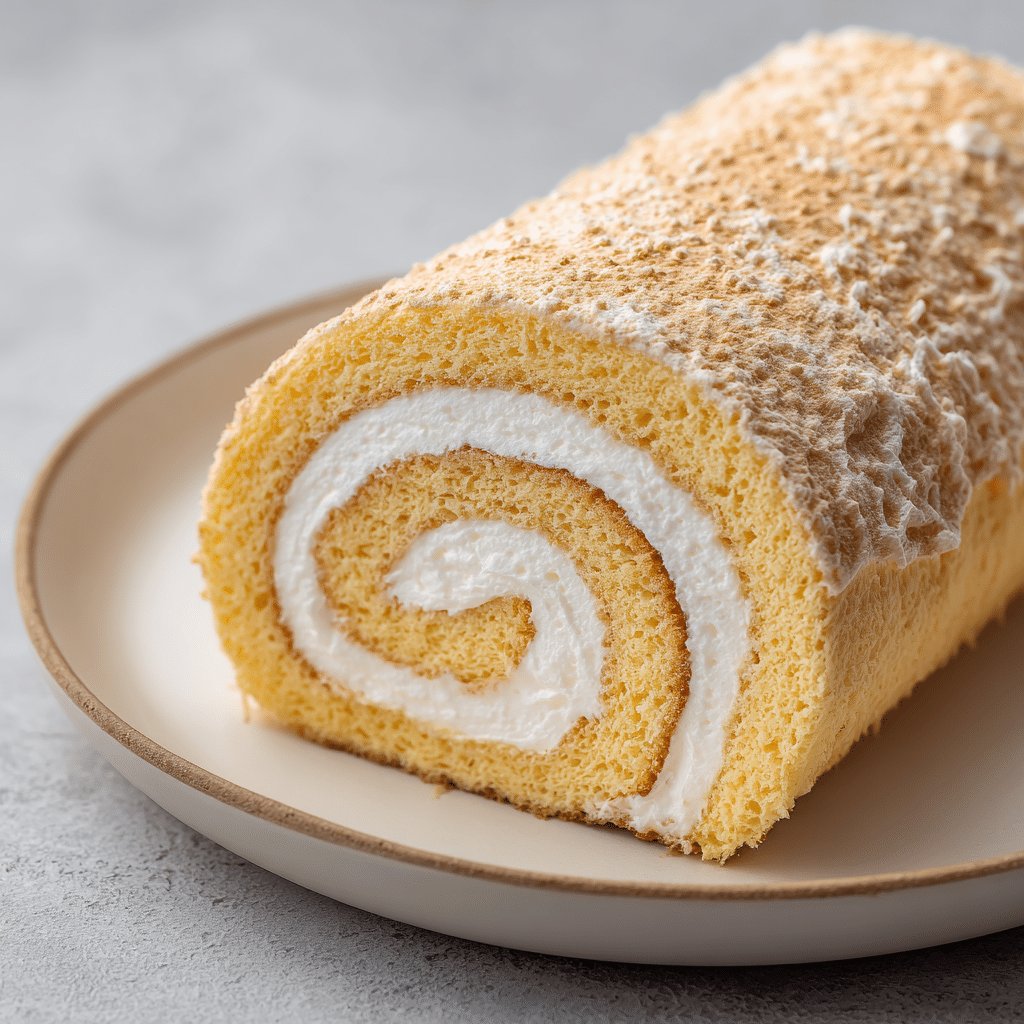
Adding simple garnishes can elevate your Japanese Cake Roll instantly. Consider a light dusting of powdered sugar, a few fresh berries, or delicate edible flowers to add color and a fresh bite. A drizzle of chocolate or a sprinkle of toasted coconut can also lend delightful texture and flavor contrast without overpowering the cake.
Side Dishes
This roll pairs beautifully with a cup of matcha tea or a mildly sweetened green tea. For a more indulgent treat, a small bowl of seasonal fruit complements the airy texture and adds vibrant freshness to your serving plate. The delicate flavors of the Japanese Cake Roll make it incredibly versatile with many light accompaniments.
Creative Ways to Present
Try slicing your Japanese Cake Roll into smaller bite-sized pieces for parties, or layer slices with fruit and whipped cream to create a stunning trifle-style dessert. You can also serve it alongside a scoop of green tea or black sesame ice cream to add a unique Japanese fusion touch that will wow your guests.
Make Ahead and Storage
Storing Leftovers
If you have any leftovers, keep your Japanese Cake Roll tightly wrapped in plastic wrap and store in the refrigerator. It will stay fresh and moist for up to two days, allowing you to enjoy that perfect texture even after the first day.
Freezing
You can freeze the Japanese Cake Roll for up to one month. Wrap it securely in plastic wrap and then in aluminum foil to prevent freezer burn. When you’re ready to enjoy again, thaw in the refrigerator overnight for best results.
Reheating
This cake is best enjoyed chilled, so reheating is not recommended. If you want to soften the whipped cream filling slightly, simply allow the cake to sit at room temperature for about 30 minutes before serving.
FAQs
What makes a Japanese Cake Roll different from other sponge rolls?
Japanese Cake Rolls feature an incredibly light and spongy texture thanks to the use of whipped egg whites folded into the batter, resulting in a moist, airy cake that feels almost cloud-like compared to denser Western sponge cakes.
Can I substitute cake flour with all-purpose flour in this recipe?
While it’s possible, cake flour is preferred because it has lower protein, which yields a tender and soft crumb. Using all-purpose flour might result in a slightly denser roll, so if you do substitute, consider removing a tablespoon of flour and adding cornstarch for a lighter texture.
Is it necessary to roll the cake while it’s still warm?
Yes! Rolling the cake while warm helps it ‘remember’ the rolled shape and prevents cracks when you add the filling later. If you roll it cold, the cake can break or crack more easily.
Can I use a different filling instead of whipped cream?
Absolutely! While classic whipped cream is traditional, you can experiment with matcha-flavored cream, chocolate mousse, or sweetened red bean paste for variations on the Japanese Cake Roll that bring in new flavors while keeping the delicate roll intact.
How long does the Japanese Cake Roll stay fresh?
When properly stored in the fridge, the cake stays fresh for up to two days. Beyond that, the sponge might start to dry out, so it’s best enjoyed fresh or frozen for longer storage.
Final Thoughts
This Japanese Cake Roll truly is a treasured delight that offers more than just a dessert; it’s a little moment of bliss wrapped in soft sweetness and light cream. Whether you’re baking for a special occasion or just treating yourself, this recipe is a wonderful way to experience Japanese baking at its finest. Go ahead, try making this cake roll at home—you’re going to love every fluffy bite!