Lemon Cream with Olive Oil and Sea Salt Recipe
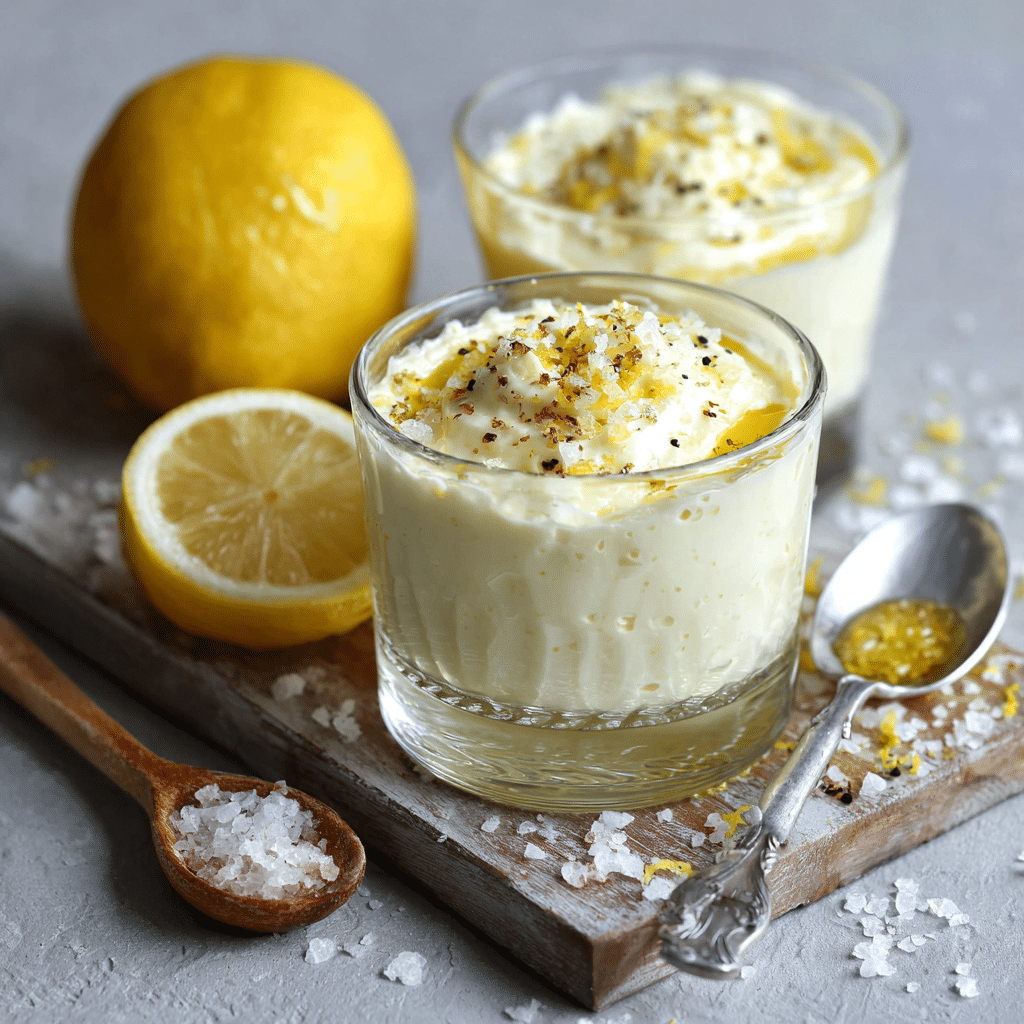
If you’re craving a dessert that strikes the perfect balance between bright acidity, luscious creaminess, and a hint of savory flair, you’re going to fall in love with Lemon Cream with Olive Oil and Sea Salt. This dish is a masterclass in simplicity and sophistication—a silky lemon cream shaped into a single elegant quenelle, drizzled just enough with fruity olive oil, and crowned with delicate flakes of sea salt. The interplay of acid, fat, and salt creates layers of flavor that sparkle on your palate, making it a favorite for those special occasions or when you simply want to treat yourself to something extraordinary.
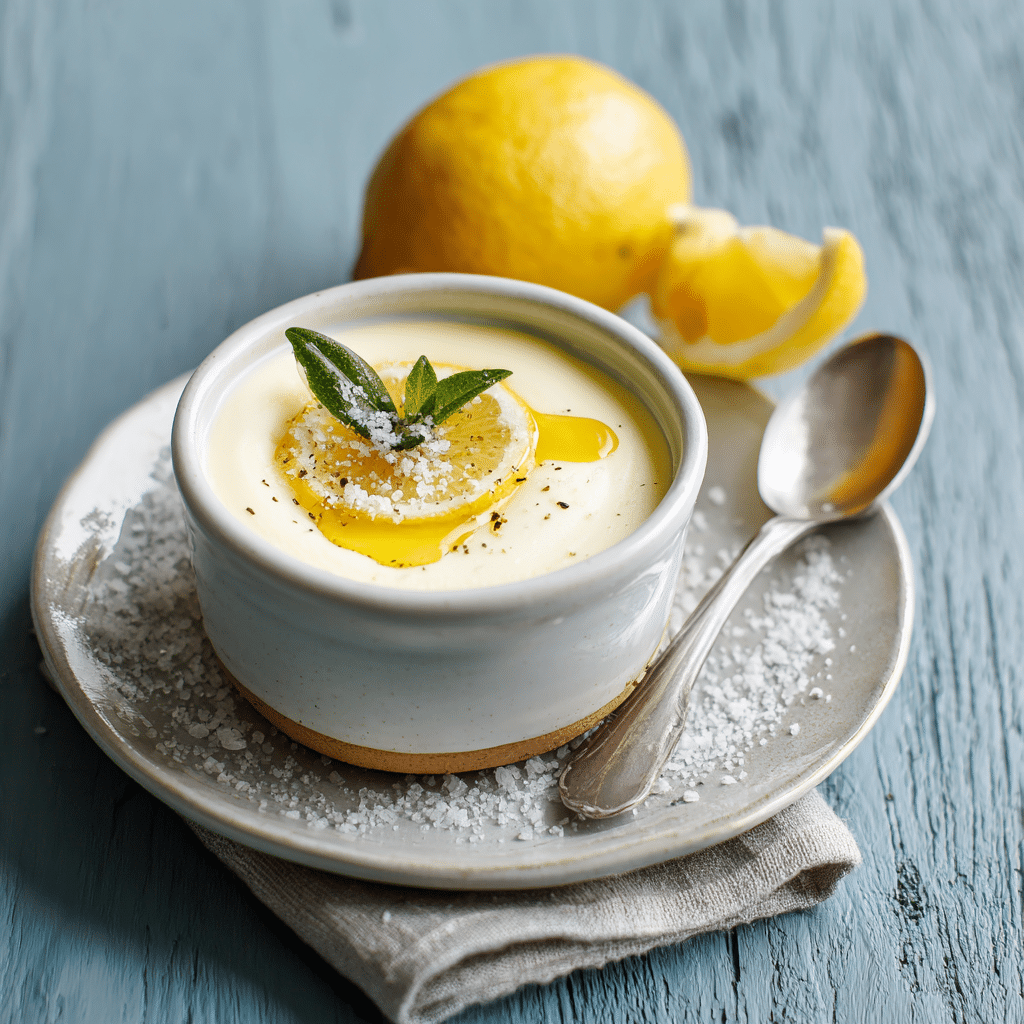
Ingredients You’ll Need
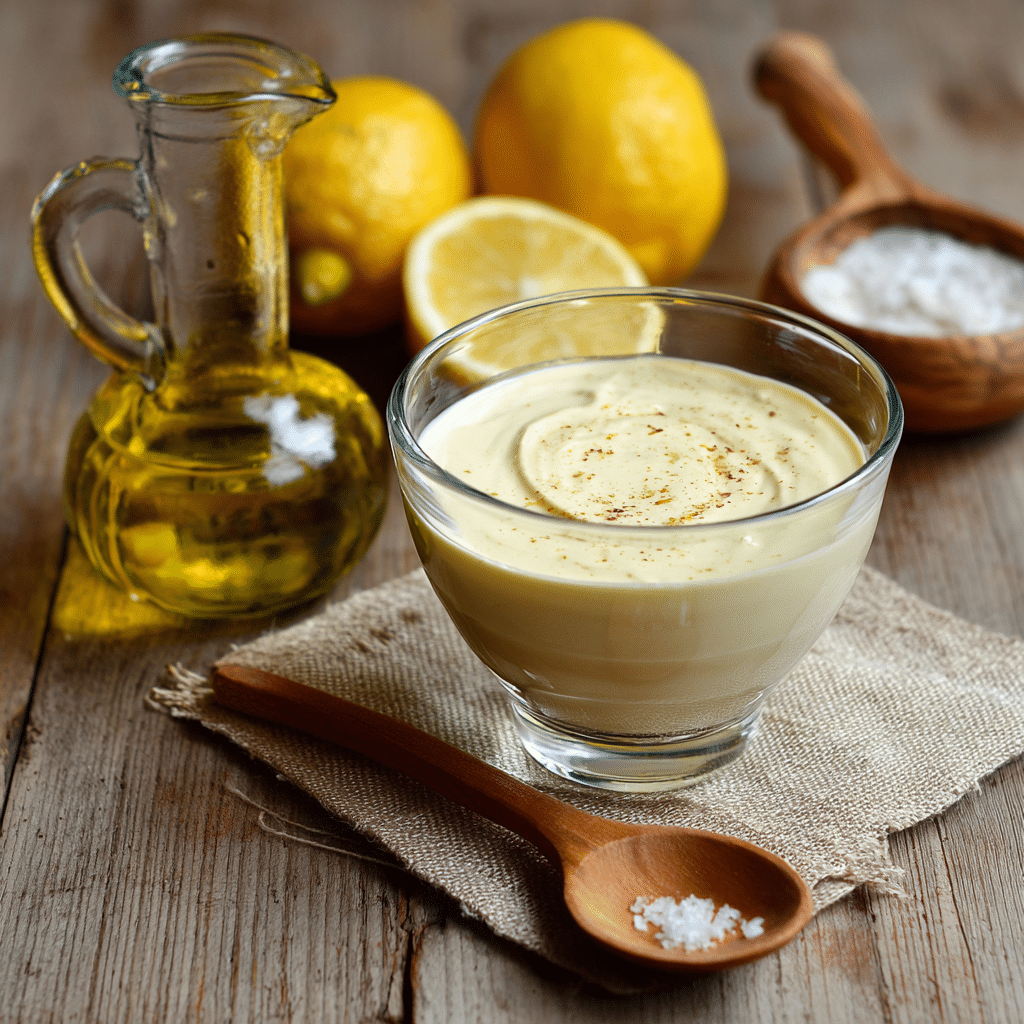
The beauty of Lemon Cream with Olive Oil and Sea Salt lies in its simplicity, and your ingredient list reflects just that. Each item plays a crucial role—whether it’s the zesty brightness of fresh lemon juice, the smooth richness of cream, or the finishing touches of olive oil and sea salt that elevate the flavors to something truly unforgettable.
- Fresh lemon juice: The vibrant star ingredient that brings zing and brightness to the cream.
- Heavy cream: Provides the silky texture and luscious mouthfeel essential for a smooth finish.
- Sugar: Balances the acidity with just the right touch of sweetness.
- High-quality extra virgin olive oil: Adds depth and a subtle fruity aroma that complements the lemon.
- Sea salt flakes: Sprinkled on top to enhance flavors and create delightful bursts of saltiness.
How to Make Lemon Cream with Olive Oil and Sea Salt
Step 1: Prepare the Lemon Cream Base
Start by whisking together lemon juice and sugar until the sugar dissolves completely, making sure the cream will have a balanced sweetness. Slowly fold in the heavy cream, maintaining a gentle hand to preserve its airy texture. Chill this mixture to let the flavors meld and the cream thicken to a velvety consistency perfect for shaping.
Step 2: Shape the Quenelle
Once your lemon cream is chilled and firm enough, use two spoons to form a smooth, elegant quenelle. This classic French technique not only looks stunning on a plate but also showcases the creamy texture and helps control portion size beautifully.
Step 3: Drizzle with Olive Oil
Now for the magic touch—use a spoon to carefully drizzle 3 to 4 delicate drops of high-quality extra virgin olive oil over the quenelle. The fruity richness of the oil pushes the cream’s flavors beyond just sweet and tangy, introducing an unexpected and delightful depth.
Step 4: Sprinkle Sea Salt Flakes
Finish with a light sprinkling of sea salt flakes. These tiny crystals melt slowly, providing the perfect contrast and highlighting the harmony of acid, fat, and salt in every bite. The minimal salt also creates a lovely visual and flavor accent without overpowering the dish.
How to Serve Lemon Cream with Olive Oil and Sea Salt
Garnishes
While the simplicity of the dish is its charm, you can elevate its presentation with a few thoughtfully chosen garnishes. Consider a sprig of fresh mint or some finely grated lemon zest to add a pop of color and a hint of freshness that complements the cream beautifully.
Side Dishes
This lemon cream shines best as a light, refined dessert after a hearty meal. Pair it with crisp, buttery shortbread cookies or a simple almond tuile for added texture. Fresh berries can also be served on the side to add juicy sweetness and a burst of color on the plate.
Creative Ways to Present
For an eye-catching presentation, serve the quenelle in a shallow white bowl to highlight the colors of the lemon cream, olive oil, and salt flakes. You can also place a quenelle on top of a thin slice of pound cake or alongside a small scoop of sorbet for a creative twist that layers flavors and textures.
Make Ahead and Storage
Storing Leftovers
If you have any leftovers of Lemon Cream with Olive Oil and Sea Salt, store them in an airtight container in the refrigerator. The cream holds well for up to two days, but keep in mind that the texture might slightly soften over time—just give it a gentle stir before serving again.
Freezing
Freezing is not recommended for this lemon cream because the delicate texture and smooth consistency can suffer, resulting in graininess or separation when thawed.
Reheating
This dessert is best served chilled and does not require reheating. If you prefer it slightly less cold, allow it to rest at room temperature for about 10 to 15 minutes before serving to soften the cream gently.
FAQs
Can I use lemon zest instead of lemon juice?
Lemon zest offers a lovely aroma but does not provide the acidity needed to balance the cream. For the best flavor balance, fresh lemon juice is essential in this recipe.
What type of olive oil should I use?
Choose a high-quality extra virgin olive oil with fruity, mild notes. Harsh or bitter oils can overpower the lemon cream and disrupt the delicate flavor harmony.
Is this recipe suitable for dairy-free diets?
The lemon cream relies on heavy cream for its texture and richness, so it’s not suitable for dairy-free diets without significant adaptations that would change the character of the dish.
Can I make the quenelle ahead of time?
Yes, you can prepare the quenelle a few hours ahead and keep it chilled. Just cover it gently with plastic wrap to protect the surface and maintain its texture.
How important is the sea salt garnish?
The sea salt flakes are a small but crucial element, as they elevate the sweet and acidic notes. However, if you don’t have sea salt flakes, you can use a very light pinch of fine sea salt, but avoid overdoing it.
Final Thoughts
Lemon Cream with Olive Oil and Sea Salt is one of those magical recipes that combines just a few simple ingredients into something utterly memorable. Its bright, smooth, and sophisticated flavors make it a perfect way to end any meal on a fresh and indulgent note. I encourage you to give this recipe a try—it’s sure to become a delightful staple in your kitchen that you’ll love sharing with friends and family.