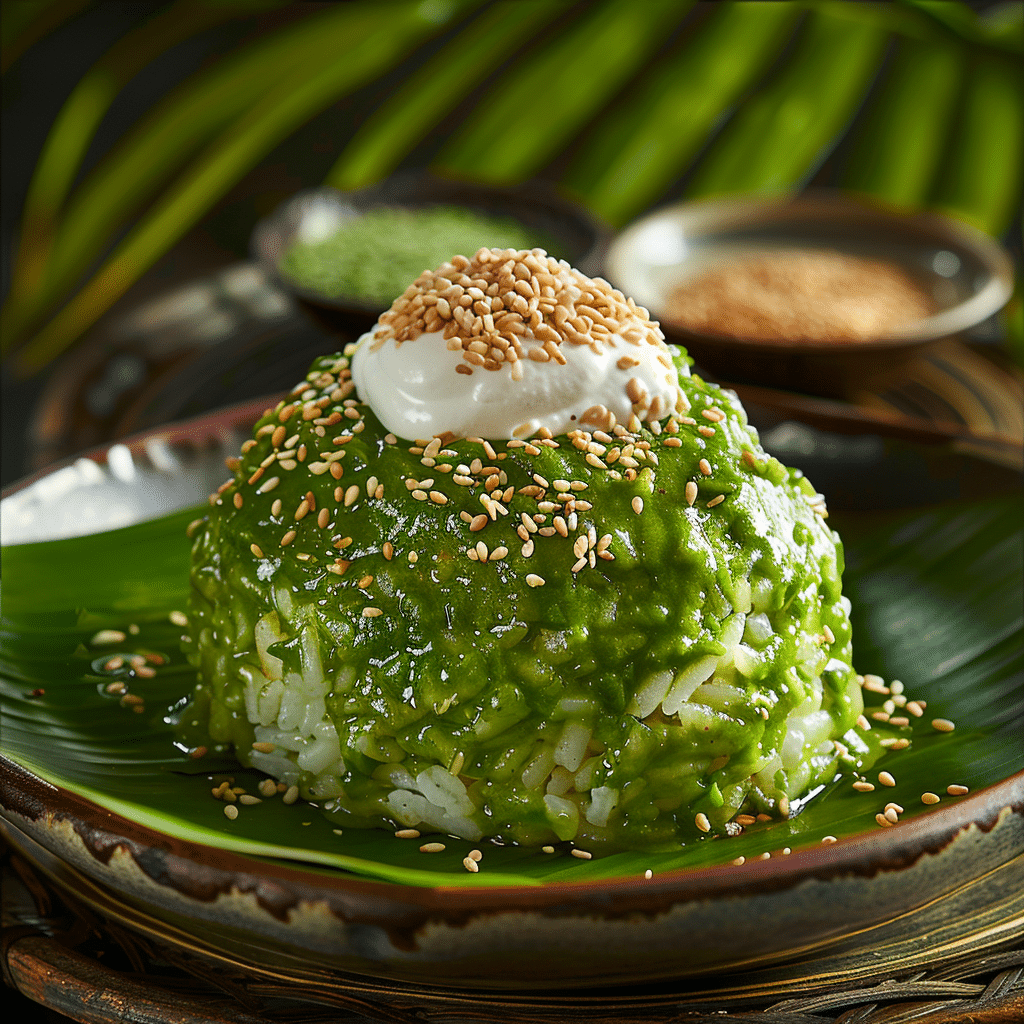
Pandan Coconut Sticky Rice Recipe
If you adore vibrant, fragrant dishes that bring a little sunshine to your breakfast or dessert table, then you’ll fall head over heels for Pandan Coconut Sticky Rice. This beloved Southeast Asian treat combines the luscious aroma of pandan leaves with the creamy richness of coconut milk, resulting in a delightfully sticky and sweet rice experience that’s both comforting and exotic. Every bite bursts with tropical flavors that feel like a warm hug and make this dish an absolute showstopper anytime you serve it.
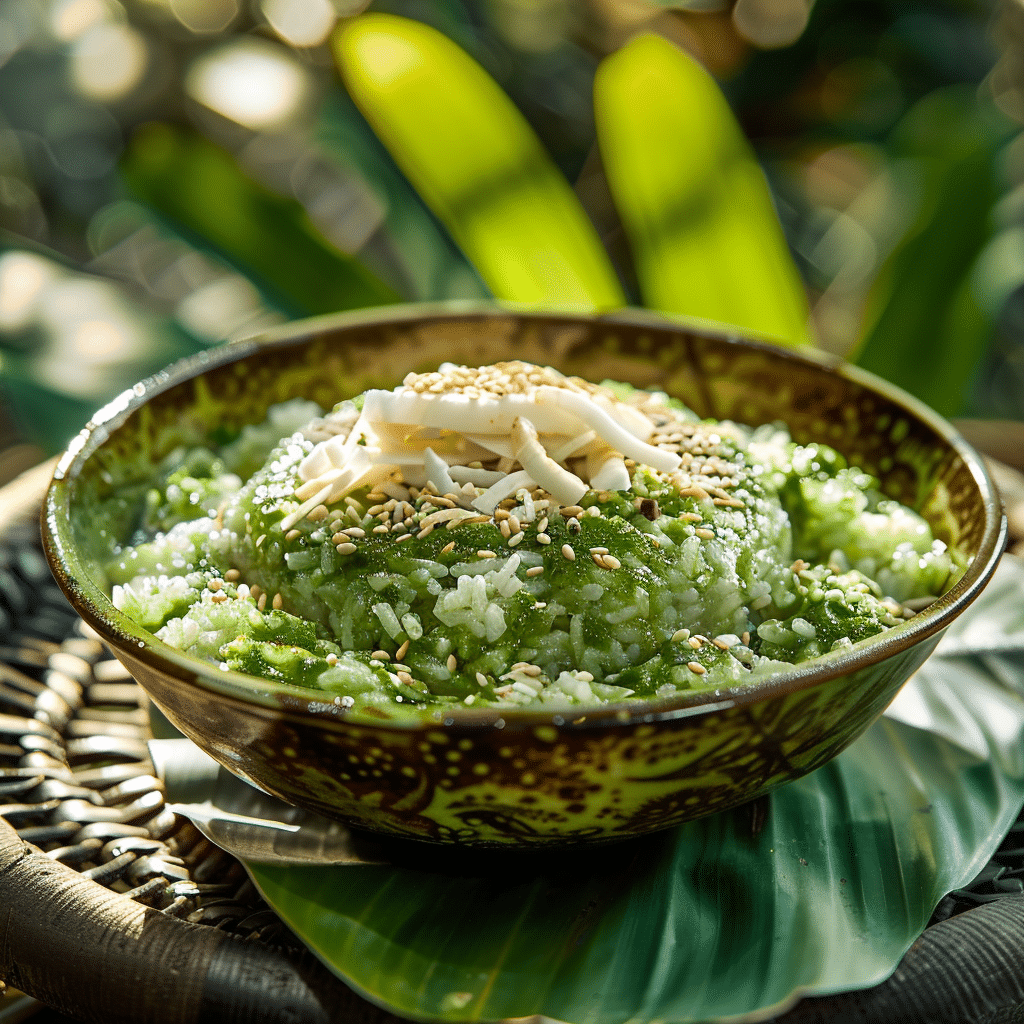
Ingredients You’ll Need
Preparing Pandan Coconut Sticky Rice is wonderfully straightforward, relying on a handful of simple ingredients that each play a crucial role in creating its signature flavor and texture.
- Glutinous rice: The star ingredient for that perfect sticky texture that holds everything together beautifully.
- Pandan leaves: These bring a fresh, grassy, and sweet aroma that defines this dish’s unique fragrance.
- Coconut milk: Adds luscious creaminess and depth, enriching every grain of rice.
- White sugar: Sweetens the rice just enough without overpowering the delicate pandan and coconut flavors.
- Salt: A pinch balances the sweetness and enhances the natural flavors.
- Coconut cream: For drizzling over at the end to intensify the creamy, tropical goodness.
How to Make Pandan Coconut Sticky Rice
Step 1: Soak and Prepare the Rice
Start by thoroughly rinsing your glutinous rice under cold water until the water runs clear. Soak the rice overnight or for at least four hours with a couple of tied pandan leaves to infuse its signature aroma deeply into the grains. This soaking step is essential for achieving that soft but chewy texture that makes sticky rice so irresistible.
Step 2: Steam the Rice
After soaking, drain the rice well and transfer it into a steamer lined with cheesecloth or a clean towel to prevent grains from falling through. Steam over boiling water for about 20-25 minutes. Then, remove the pandan leaves and fluff the rice gently with a fork. Steaming instead of boiling retains the rice’s texture and allows the pandan flavor to deepen.
Step 3: Cook the Coconut Mixture
While the rice steams, combine coconut milk, sugar, and a pinch of salt in a saucepan. Warm gently on low heat, stirring until the sugar fully dissolves and the mixture thickens slightly. This rich coconut sauce is what will soak into the sticky rice, melding everything together into a luscious, fragrant dish.
Step 4: Combine and Let Rest
Pour the warm coconut milk mixture over the freshly steamed sticky rice, folding gently to coat every grain. Cover and let it sit for 15 to 20 minutes so the rice fully absorbs that creamy, pandan-infused coconut goodness. Trust this step; the resting period makes all the difference!
How to Serve Pandan Coconut Sticky Rice
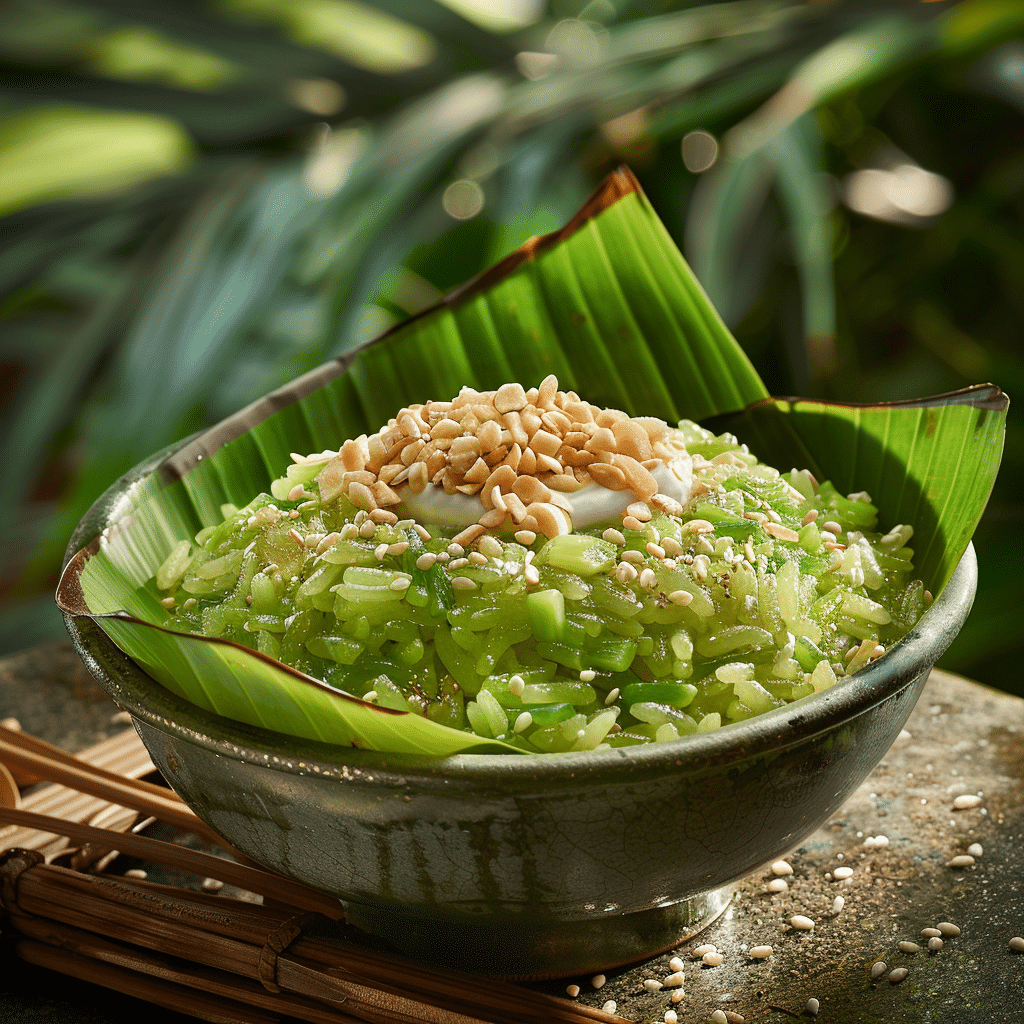
Garnishes
A simple drizzle of coconut cream over the top is all you need for that extra hit of richness and decadence. If you want to add a fresh contrast, sprinkle a handful of toasted sesame seeds or crushed roasted peanuts for a lovely nutty crunch.
Side Dishes
This dish truly shines on its own but also pairs delightfully with fresh tropical fruits like ripe mango, pineapple, or jackfruit. The natural sweetness of the fruit complements the creamy sticky rice beautifully, making it a fabulous treat for any time of day.
Creative Ways to Present
For a festive twist, pack the Pandan Coconut Sticky Rice into small molds or banana leaf cups; this gives a charming presentation and is perfect for serving at gatherings. Alternatively, serve it in a pretty bowl with a sprinkle of edible flowers or a twist of lime zest for a fresh pop of color and flavor.
Make Ahead and Storage
Storing Leftovers
Leftover Pandan Coconut Sticky Rice can be stored in an airtight container in the refrigerator for up to two days. The rice tends to harden, but a quick steam or gentle reheating can restore its lovely softness and aroma.
Freezing
You can freeze the cooked sticky rice by portioning it into freezer-safe containers or bags. Freeze for up to one month. When ready to enjoy, thaw overnight in the refrigerator before reheating.
Reheating
The best way to bring your Pandan Coconut Sticky Rice back to life is by steaming it briefly or microwaving it with a sprinkle of water to retain moisture. A quick drizzle of coconut cream after reheating will also help revive its creamy texture and enhance the flavors.
FAQs
Can I substitute pandan leaves with pandan extract?
Yes, pandan extract can be used if fresh pandan leaves aren’t available. Just be mindful that the flavor is more concentrated, so start with a few drops and adjust to taste for the perfect balance.
Is glutinous rice the same as sticky rice?
Yes, glutinous rice is often referred to as sticky rice because of its natural sticky texture when cooked. It’s essential to use this type specifically to achieve the authentic consistency of Pandan Coconut Sticky Rice.
Can I make this dish vegan?
This recipe is naturally vegan as it uses plant-based coconut milk and cream. Just ensure your sugar is vegan-friendly if that’s a concern, and you’re good to go!
How long does the soaking process have to be?
Ideally, soak the rice overnight or for at least 4 hours. This allows the grains to expand and absorb the pandan aroma deeply, resulting in a fluffier and more fragrant sticky rice.
What if I don’t have a steamer?
If you don’t have a traditional steamer, you can improvise by placing a heatproof colander or sieve over a pot of boiling water and covering it tightly with a lid or foil. Just make sure the rice isn’t in direct contact with the water to steam properly.
Final Thoughts
There’s something truly magical about making and savoring a dish as beautifully fragrant and comforting as Pandan Coconut Sticky Rice. It’s straightforward enough for a cozy breakfast yet elegant for special occasions. Give yourself the joy of exploring this tropical favorite in your kitchen—after all, every spoonful is like a mini getaway to the flavors of Southeast Asia. I promise you’ll want to make it again and again!