Truffle Mac & Cheese Bake Recipe
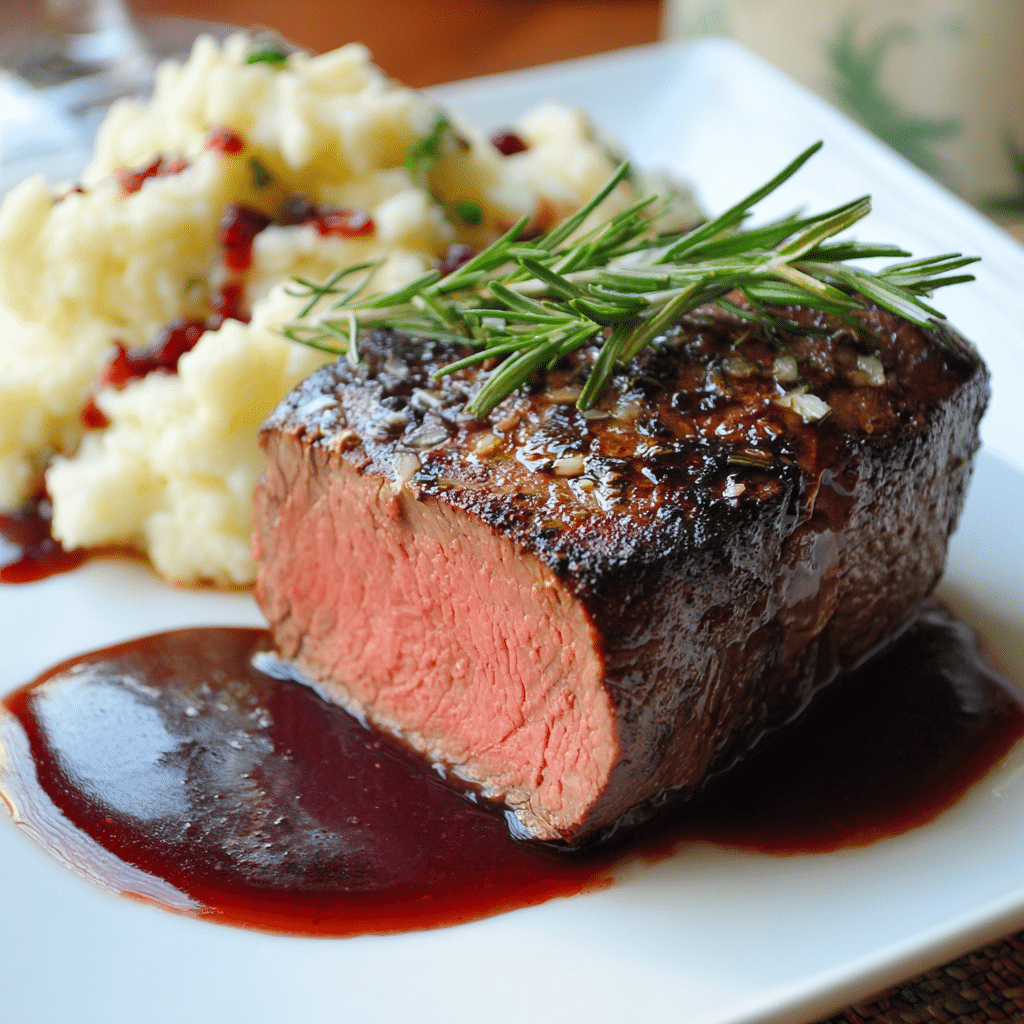
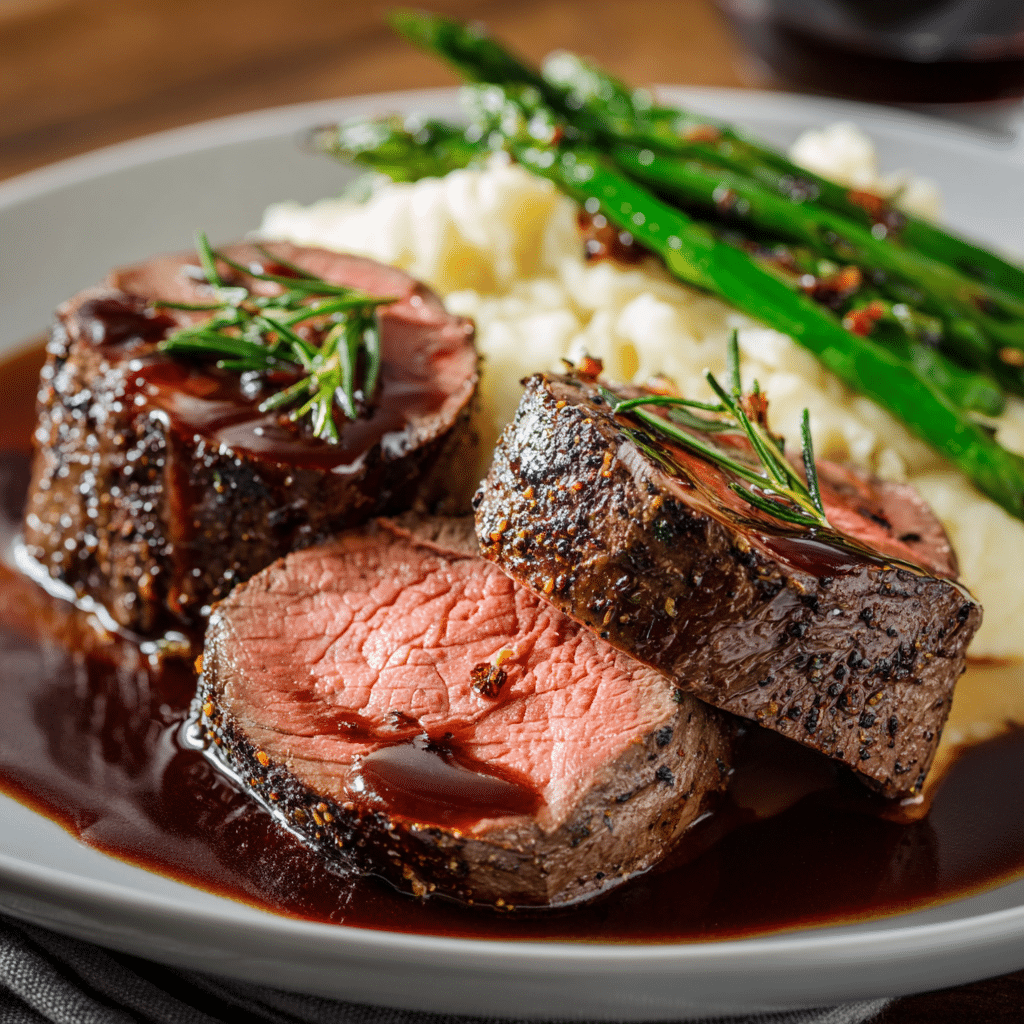
If you have ever dreamed of creating a restaurant-quality meal right in your own kitchen, then this Beef Tenderloin with Red Wine Reduction is the perfect dish to try. Imagine slicing into a beautifully seared tenderloin with a golden crust, revealing a juicy, rosy-pink center that melts in your mouth. The luxurious red wine reduction sauce adds a glossy, rich, and subtly sweet finish, infused with aromatic thyme and garlic that elevate each bite to pure indulgence. This recipe brings together simplicity and elegance, creating a meal that feels special yet achievable any night of the week.
Ingredients You’ll Need
To create this exquisite Beef Tenderloin with Red Wine Reduction, you will rely on a handful of essential ingredients that work together to bring out the best in the beef and sauce. Each item plays a crucial role, from enriching flavor to perfect texture and vibrant color.
- Beef tenderloin filet: Choose a fresh, high-quality cut for tenderness and a buttery mouthfeel.
- Salt and freshly ground black pepper: Simple seasonings that enhance the natural flavor of the beef.
- Olive oil: Helps develop the beautiful crust when searing the tenderloin.
- Unsalted butter: Adds richness and a silky finish to the sauce and meat.
- Garlic cloves: Infuses aromatic depth to the beef and the reduction.
- Fresh thyme sprigs: Impart herbal brightness and complexity.
- Shallots: Bring a subtle sweetness that balances the red wine reduction.
- Red wine: Use a dry, full-bodied variety like Cabernet Sauvignon to create a glossy, flavorful sauce.
- Beef stock: Adds savory depth and body to the reduction.
- Honey or brown sugar: A touch to elevate sweetness and create balance.
- Microgreens or fresh herbs: For an elegant garnish that adds visual contrast and freshness.
How to Make Beef Tenderloin with Red Wine Reduction
Step 1: Prepare the Beef Tenderloin
Begin by patting your beef tenderloin dry with paper towels to ensure a perfect sear. Season it generously with salt and freshly ground black pepper on all sides. This step is essential because it draws out moisture and creates that signature caramelized crust when cooking.
Step 2: Sear to Perfection
Heat olive oil in a heavy skillet over medium-high heat until shimmering. Place the tenderloin carefully in the pan, allowing it to brown undisturbed for several minutes. Turn the meat to sear all sides evenly, adding butter, garlic cloves, and fresh thyme to the pan during the last minutes. Spoon the melted butter and aromatics over the beef to infuse vibrant flavors and richness.
Step 3: Roast the Tenderloin
Transfer the seared tenderloin to a preheated oven at 400°F (200°C) and roast until it reaches your preferred doneness—medium-rare is ideal to keep that soft, buttery texture. Use a meat thermometer for accuracy, aiming for an internal temperature of 130°F (54°C). Let the meat rest before slicing to preserve all the juices.
Step 4: Make the Red Wine Reduction
While the beef rests, prepare the luxurious red wine reduction. In the same skillet, add finely chopped shallots and sauté until translucent. Pour in the red wine and beef stock, scraping the pan to release any flavorful browned bits. Add a touch of honey or brown sugar and fresh thyme, then simmer until the sauce thickens to a glossy consistency that will beautifully coat the tenderloin slices.
Step 5: Plate and Serve
Slice the rested tenderloin into elegant medallions, arranging them on warm plates. Drizzle the deep red wine reduction over each slice, and finish with a sprinkle of microgreens or fresh herbs for a stunning presentation that looks as amazing as it tastes.
How to Serve Beef Tenderloin with Red Wine Reduction
Garnishes
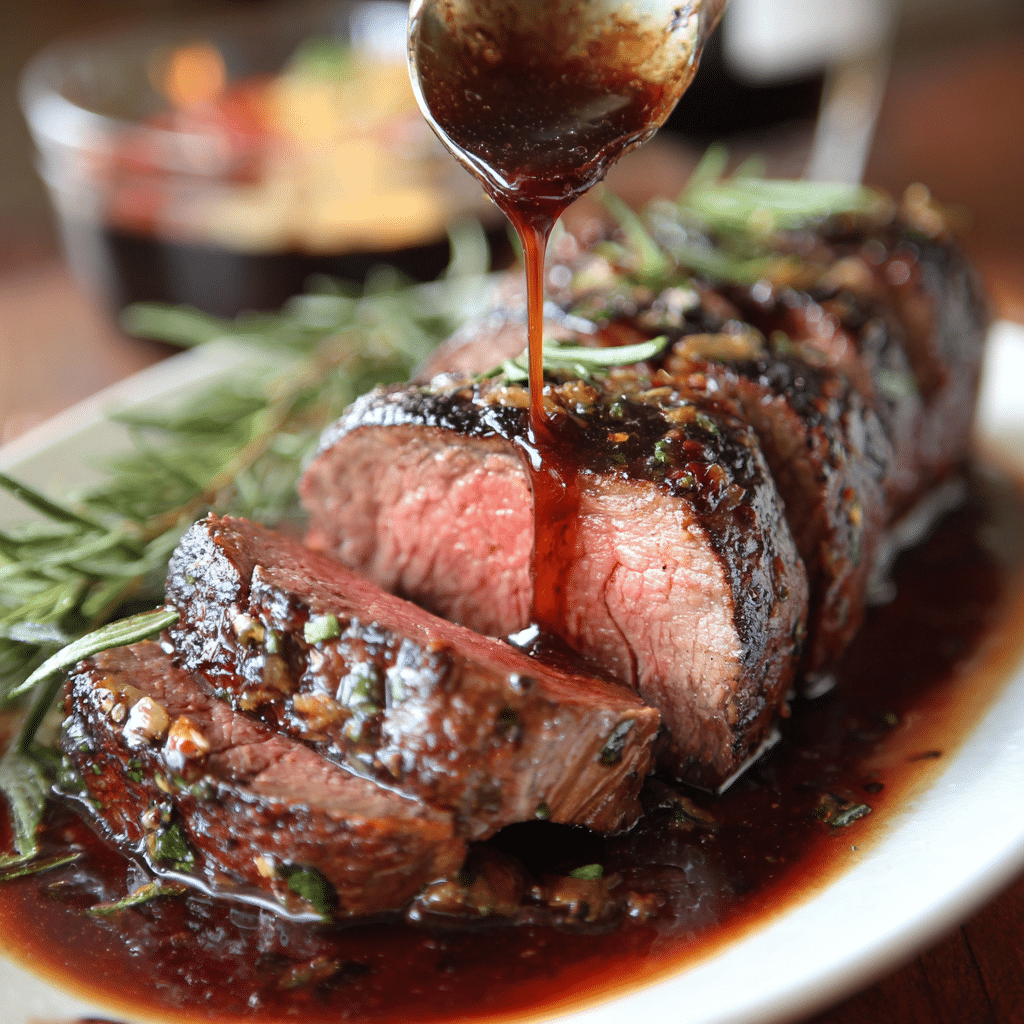
Garnishes play a subtle yet impactful role in elevating your Beef Tenderloin with Red Wine Reduction. Fresh microgreens add a hint of color and a slight peppery note, while a few sprigs of thyme tie the dish together visually and aromatically. A light dusting of flaky sea salt just before serving will also amplify the flavors.
Side Dishes
This dish pairs beautifully with a variety of sides that complement its richness without overpowering it. Consider creamy mashed potatoes, roasted root vegetables, or a light arugula salad with lemon vinaigrette. Each choice offers balance—earthiness, freshness, or creaminess—that enhances the meal experience.
Creative Ways to Present
For an impressive dining experience, serve your tenderloin on warm plates with carefully drizzled red wine reduction that pools artfully around the slices. Use contrasting white or dark serving platters to make the colors pop. Adding edible flowers or colorful microgreens can introduce wow factor, perfect for special occasions or dinner parties.
Make Ahead and Storage
Storing Leftovers
If you are lucky enough to have leftovers, wrap the sliced beef tightly in foil or place it in an airtight container and refrigerate. It is best enjoyed within two days for optimal flavor and texture.
Freezing
While freezing cooked beef tenderloin is possible, it may slightly alter the texture upon reheating. To freeze, wrap the beef tightly in plastic wrap and then in aluminum foil before placing it in the freezer. This will keep it fresh for up to three months.
Reheating
Reheat gently in a low oven or on the stovetop with a splash of beef stock to keep the meat moist. Avoid microwaving, as it can dry out the tenderloin and affect the sauce’s texture. Warm the red wine reduction separately over low heat and then combine just before serving.
FAQs
What cut of beef is best for this recipe?
The beef tenderloin is the star here for its unrivaled tenderness and buttery texture. Opt for center-cut tenderloin for even cooking and beautiful presentation.
Can I use a different type of wine for the reduction?
Absolutely! While a full-bodied red like Cabernet Sauvignon works best, Pinot Noir or Merlot will also create a delicious and slightly different flavor profile.
How do I know when the tenderloin is cooked perfectly?
Using a meat thermometer is the most reliable method. For medium-rare, look for an internal temperature of 130°F (54°C). Resting the meat afterward brings it to perfect doneness.
Is there a non-alcoholic substitute for the red wine?
You can substitute red grape juice mixed with a bit of balsamic vinegar or pomegranate juice to mimic the acidity and sweetness of wine, though the depth of flavor will differ slightly.
Can I prepare the sauce ahead of time?
Yes, you can make the red wine reduction in advance and gently reheat it before serving. Just be sure to stir occasionally to maintain the smooth texture.
Final Thoughts
Cooking Beef Tenderloin with Red Wine Reduction is more than just preparing a meal—it’s an experience you’ll savor from the first sear to the last bite of rich sauce. This recipe offers a perfect balance of elegant flavors and approachable techniques, making it a fantastic choice for impressing guests or treating yourself. Give this dish a try, and you’ll discover a new favorite that brings warmth, sophistication, and joy to your dining table.