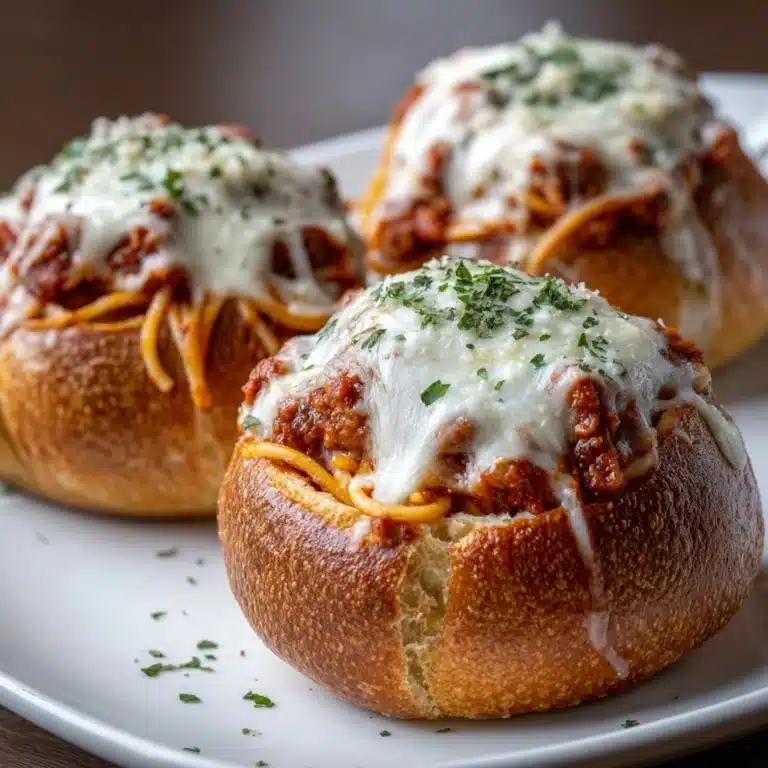
Cheese Pasta Recipe
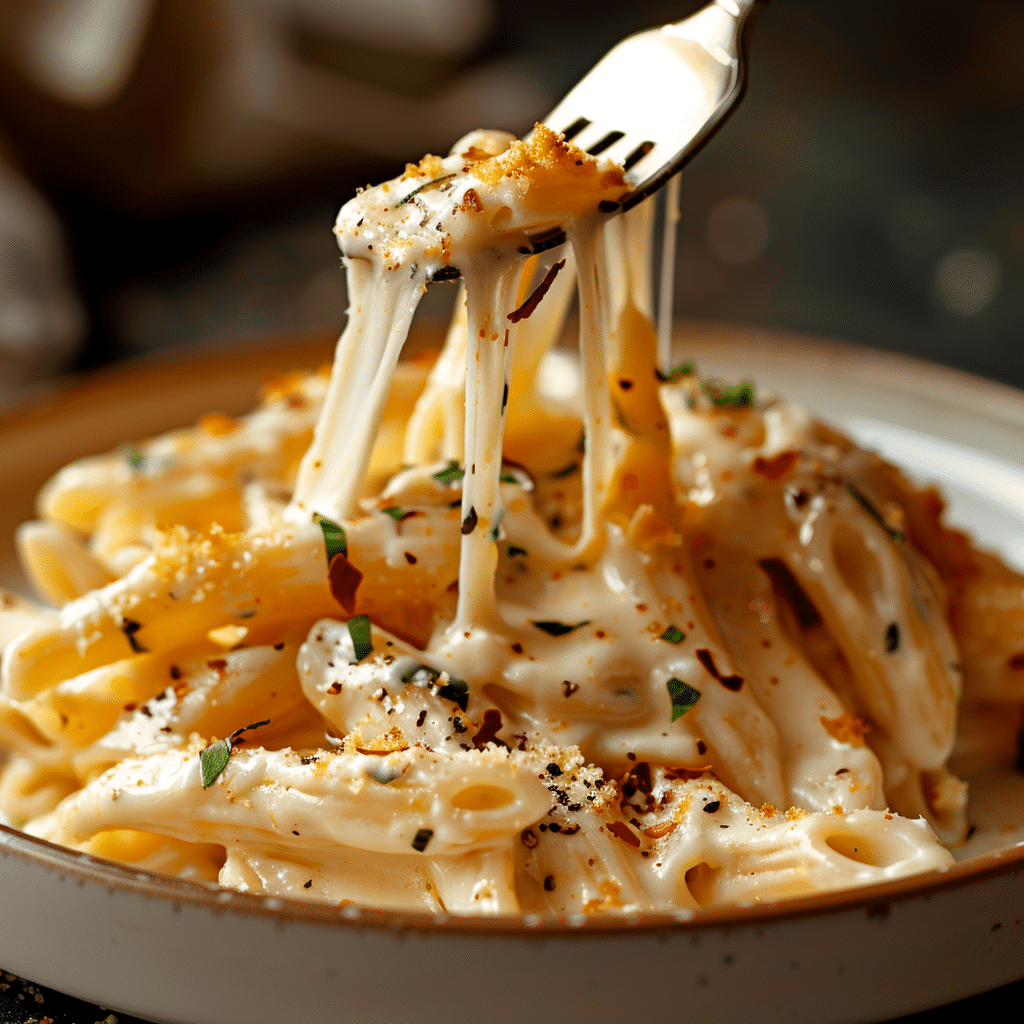
If you are craving a dish that feels like a warm hug in the form of food, look no further than this delightfully simple Cheese Pasta. Creamy, cheesy, and utterly comforting, it brings together the silky smoothness of melted cheese with tender pasta bathed in just the right amount of milk. This is the kind of recipe that turns an ordinary night into a cozy experience and a basic pantry set of ingredients into a truly satisfying meal. Whether you’re a beginner cook or a kitchen pro looking for an easy but delicious fix, this Cheese Pasta will quickly become a cherished favorite.
Ingredients You’ll Need
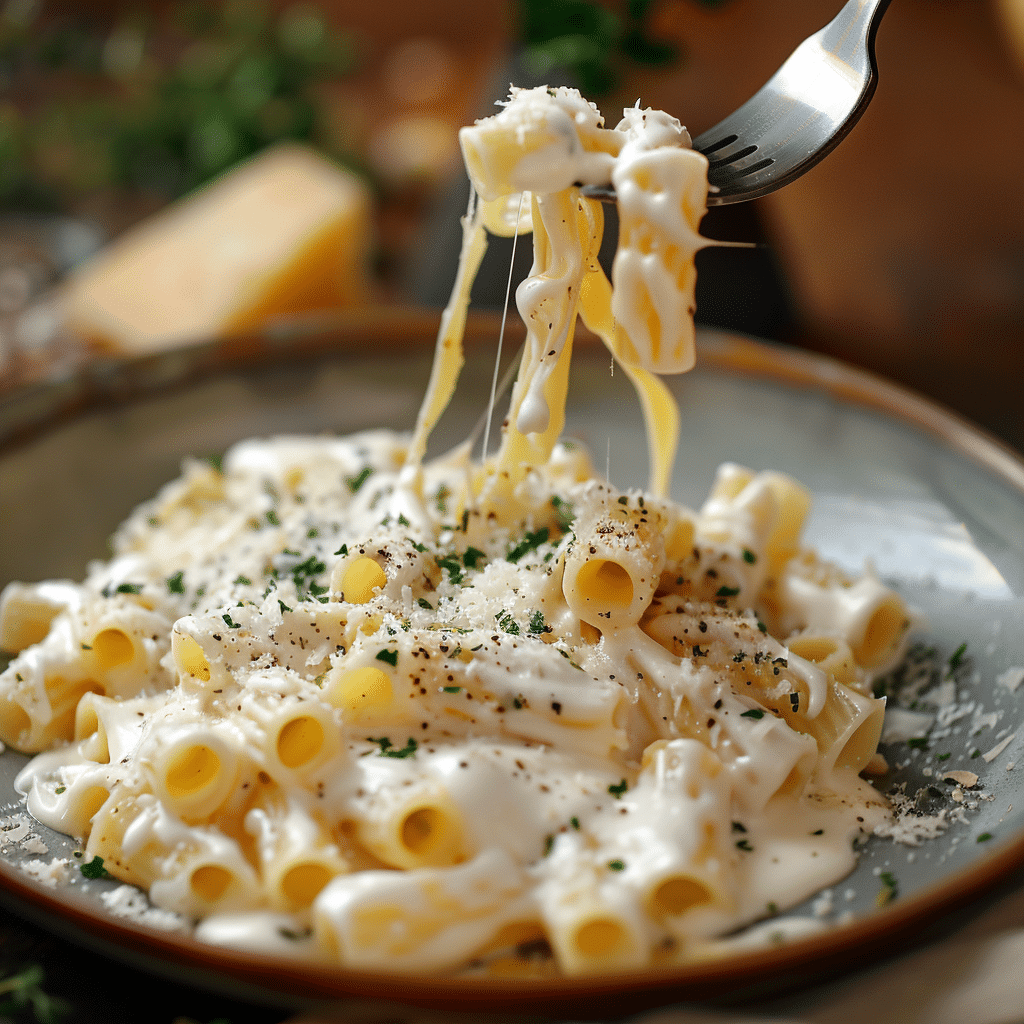
For this Cheese Pasta, you only need a few straightforward ingredients, but each one plays a crucial role in creating the dish’s signature richness and creamy texture. These basics come together effortlessly to deliver maximum flavor with minimal fuss.
- Pasta: Choose your favorite shape—penne, fusilli, or spaghetti all work well—and cook it just until al dente for perfect bite and texture.
- Cheese: Pick a good melting cheese like cheddar or a blend that melts smoothly, adding depth and creaminess to your sauce.
- Milk: Adds silkiness and helps create that luscious, creamy sauce that coats every strand and bite of pasta.
How to Make Cheese Pasta
Step 1: Cook the Pasta
Start by bringing a large pot of salted water to a rolling boil. Add your pasta and cook it until it’s just al dente — tender but still with a little bite. Drain the pasta thoroughly, reserving a splash of pasta water if you’d like to loosen the sauce later on.
Step 2: Prepare the Cheese Sauce
Once the pasta is cooked, return it to the pot or a warm mixing bowl. Gradually stir in the cheese and milk while the pasta is still warm. The residual heat will gently melt the cheese, creating that irresistible creamy sauce that clings beautifully to each piece of pasta.
Step 3: Mix Until Smooth
Keep stirring the pasta mixture until the cheese is fully melted and combined with the milk, forming a smooth, velvety coating. Adjust the consistency by adding a touch more milk if you prefer it creamier or a bit thicker by allowing it to stand for a minute.
How to Serve Cheese Pasta
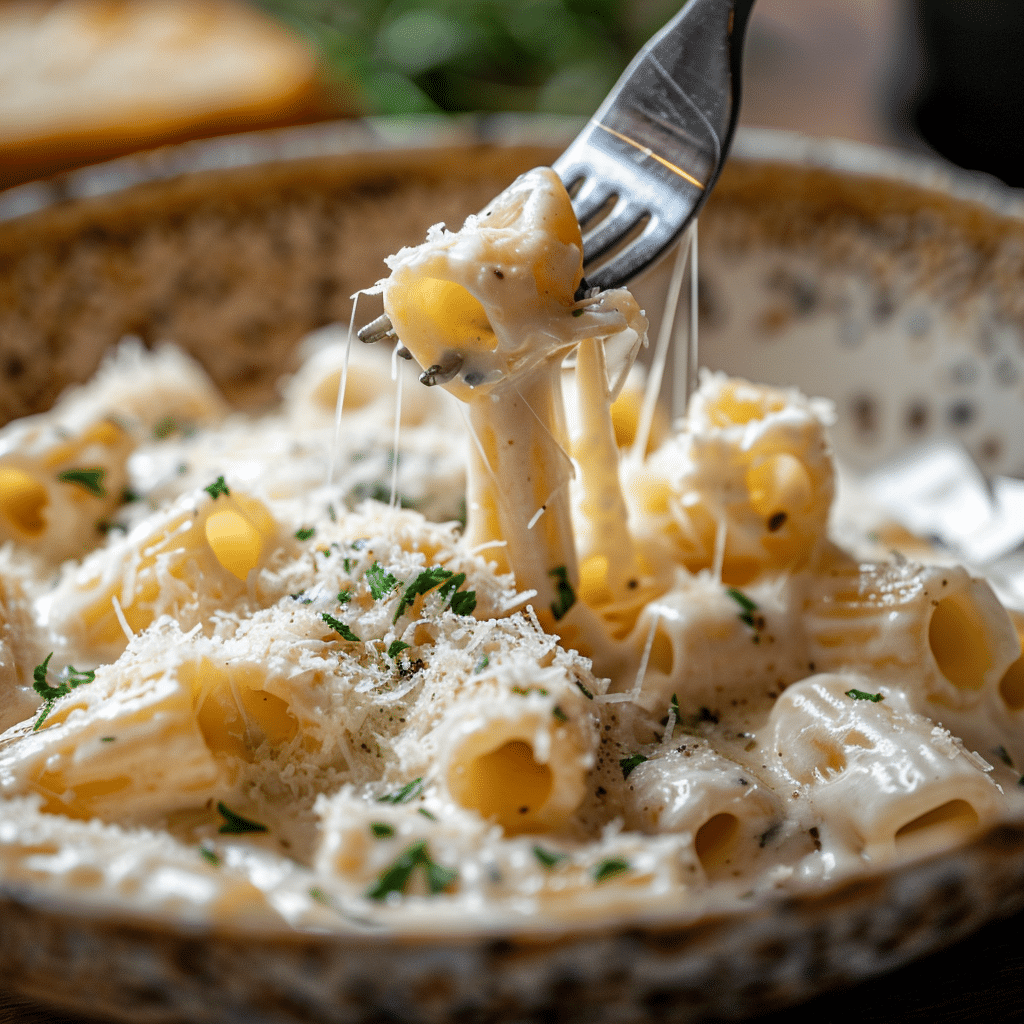
Garnishes
Elevate your Cheese Pasta by sprinkling freshly ground black pepper or a pinch of smoked paprika for a subtle kick. A scattering of chopped fresh parsley or basil adds a burst of color and freshness that balances the richness perfectly.
Side Dishes
This dish pairs wonderfully with a crisp green salad dressed in a light vinaigrette to cut through the richness. Roasted vegetables or steamed broccoli also make excellent companions that add texture and nutrition.
Creative Ways to Present
For a fun twist, serve your Cheese Pasta in individual ramekins topped with a crunchy breadcrumb crust and broil briefly for a golden finish. Alternatively, add cooked bacon or sautéed mushrooms to the mix for extra flavor layers that surprise and delight.
Make Ahead and Storage
Storing Leftovers
If you have leftovers, store them in an airtight container in the refrigerator. To keep the creamy texture intact, consume within 2 to 3 days for best taste and safety.
Freezing
Cheese Pasta can be frozen, but keep in mind that the texture of the pasta may change slightly upon thawing. Store portions in freezer-safe containers or bags, and try to use them within one month to preserve flavor.
Reheating
Reheat gently on the stovetop over low heat, adding a splash of milk to revive the sauce’s creaminess. Alternatively, microwave in short bursts, stirring frequently to prevent drying out and ensure even warming.
FAQs
Can I use any type of cheese for Cheese Pasta?
While many cheeses melt well, creamy varieties like cheddar, Monterey Jack, or mozzarella work best to achieve the perfect gooey texture that defines great Cheese Pasta.
Is it possible to make Cheese Pasta dairy-free?
Yes! Substitute dairy milk with plant-based alternatives like almond or oat milk and try vegan cheese options to enjoy a similar creamy experience without dairy.
How do I prevent the sauce from becoming too runny?
Use less milk initially and gradually add more as needed. Also, cooking pasta just until al dente helps maintain a thicker sauce because overcooked pasta releases more starch, which can thin your sauce.
Can I add vegetables or proteins to Cheese Pasta?
Absolutely, adding vegetables like spinach, peas, or cooked chicken can turn this simple dish into a more substantial and balanced meal without losing its cheesy charm.
What is the best pasta shape for Cheese Pasta?
Short pasta shapes such as penne, rigatoni, or shells are ideal because their curves and grooves hold the cheese sauce beautifully, delivering flavor in every bite.
Final Thoughts
There is something truly special about a dish that comes together in minutes yet tastes rich, decadent, and comforting. This Cheese Pasta embodies that magic with its creamy sauce and simple, wholesome ingredients. Whether you’re whipping it up for a quick weeknight dinner or serving it to friends who appreciate good, honest food, it’s sure to become one of your treasured go-to recipes. So grab your favorite cheese, boil that pasta, and let this delicious comfort food brighten your table tonight!