Cheesecake Recipe
There is something undeniably satisfying about a classic Cheesecake that brings pure joy with every bite. This creamy dessert, featuring a buttery biscuit base and a luxuriously smooth cheese filling, is the perfect balance of texture and flavor. Whether you prefer it baked or chilled, a well-made cheesecake is a crowd-pleaser that feels like a special treat no matter the occasion. Once you master this recipe, you’ll see how simple ingredients come together to create a timeless favorite that’s rich, yet delightfully light.
Ingredients You’ll Need
With just a handful of simple ingredients, you’re well on your way to making a delicious cheesecake that tastes like it took hours of effort. Each component plays an essential role in crafting the perfect base, the creamy filling, and the balanced sweetness that cheesecake lovers adore.
- Cream cheese: Use full-fat cream cheese for that classic rich, velvety texture and tangy flavor that defines cheesecake.
- Biscuits: Choose buttery digestive or graham crackers for the crust – they provide a crunchy, flavorful foundation.
- Sugar: Granulated sugar sweetens the filling just enough, balancing the tang of the cheese without overpowering it.
- Eggs: They bind the cheese filling and give the cheesecake its smooth, set structure when baked or since they add richness when chilled.
How to Make Cheesecake
Step 1: Prepare the Crust
Start by crushing the biscuits into fine crumbs—using a food processor makes this quick and even. Mix these crumbs with melted butter to create a buttery base. Press this mixture firmly into the bottom of your springform pan, ensuring it’s even and compact. The crust will provide that satisfying crunch that contrasts beautifully with the creamy filling.
Step 2: Make the Filling
Beat the cream cheese until it’s completely smooth and lump-free, which is key to achieving that flawless texture. Gradually add sugar and beat until light and fluffy, as this aerates the mixture for a tender finish. Next, blend in the eggs one at a time, making sure each is fully incorporated before adding the next. This slow mixing prevents cracks and promotes a silky consistency.
Step 3: Bake or Chill
For a baked cheesecake, pour the filling over the crust and bake at a moderate temperature until just set, allowing the center to have a slight jiggle. This slow bake results in a luxuriously dense yet creamy texture. Alternatively, you can chill the filling on the crust until firm for a no-bake cheesecake version that’s equally delightful. Both methods highlight different but equally delicious qualities of this classic dessert.
How to Serve Cheesecake
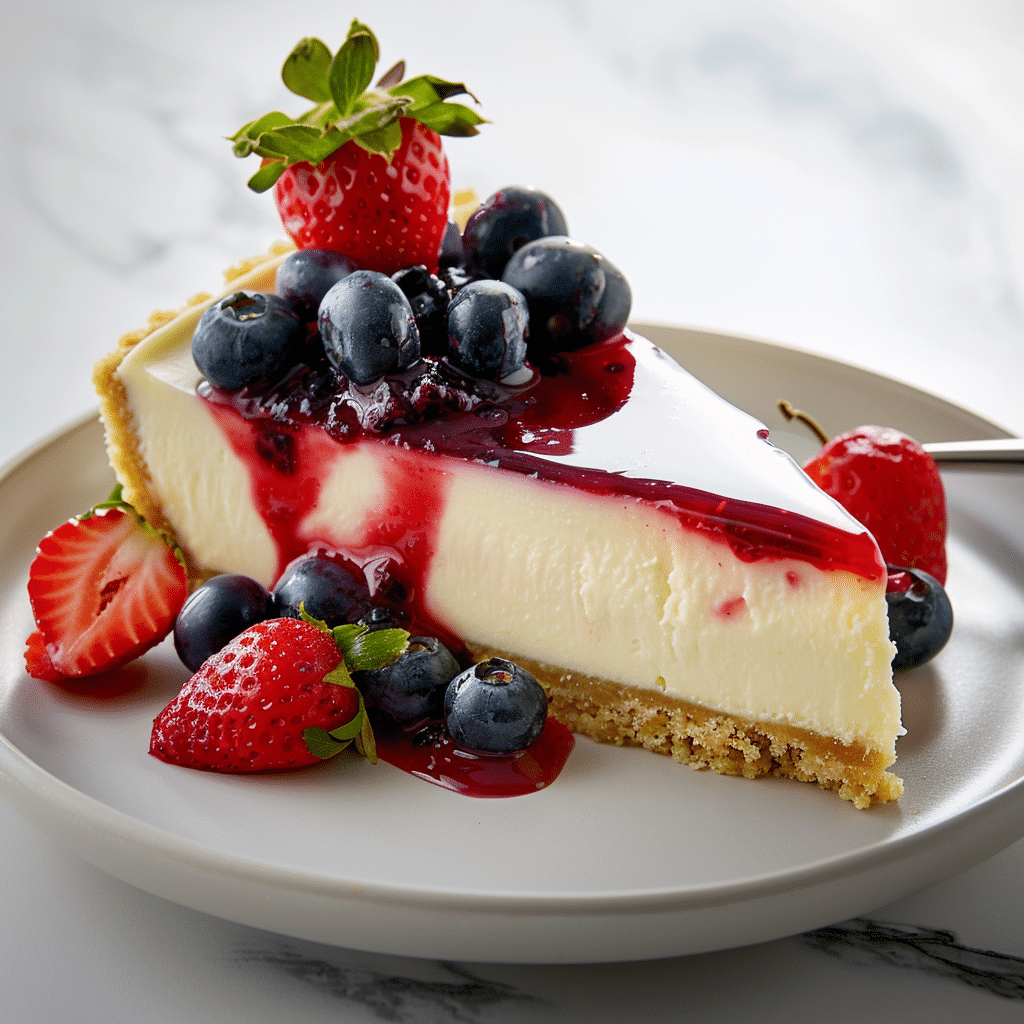
Garnishes
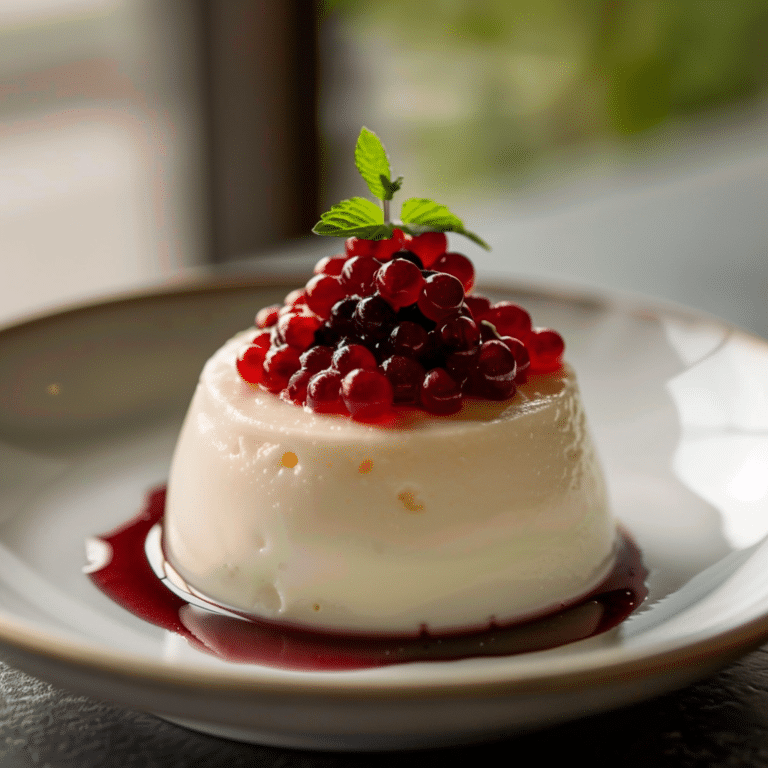
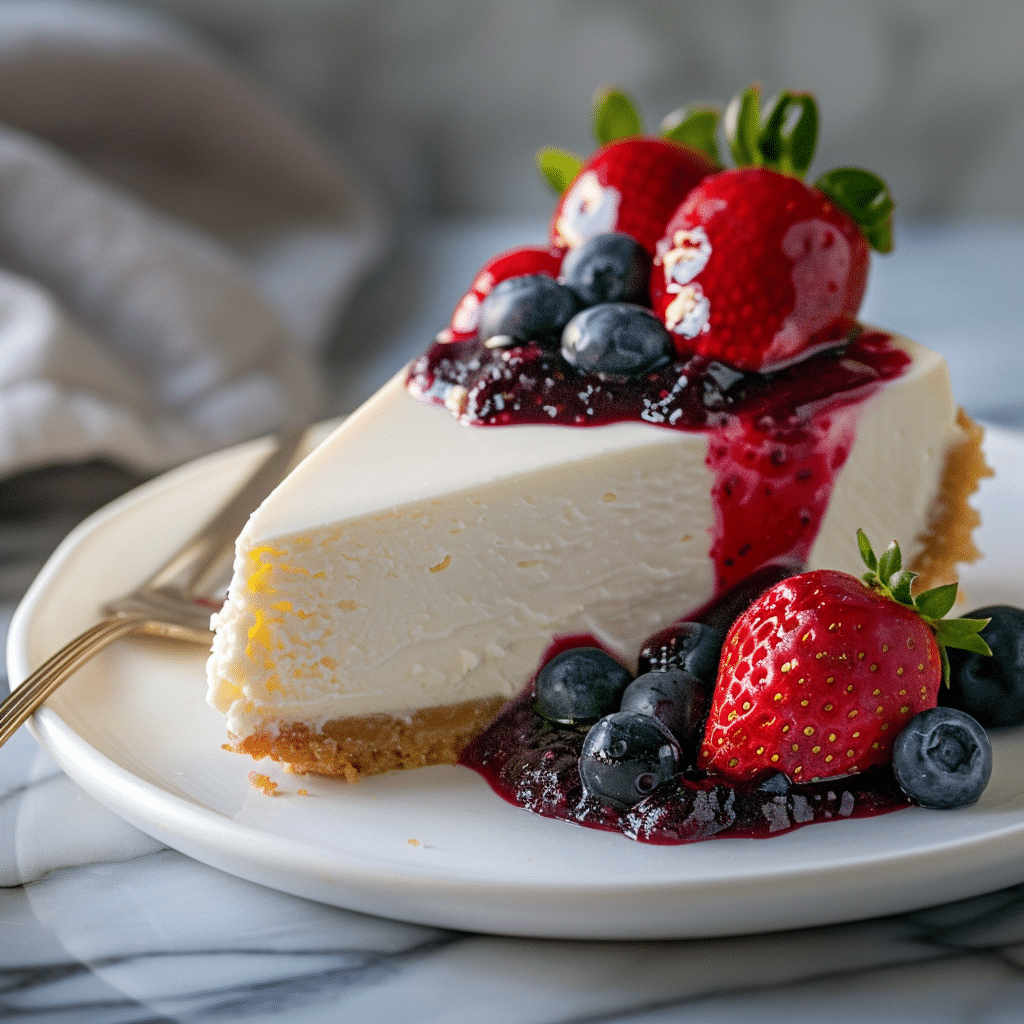
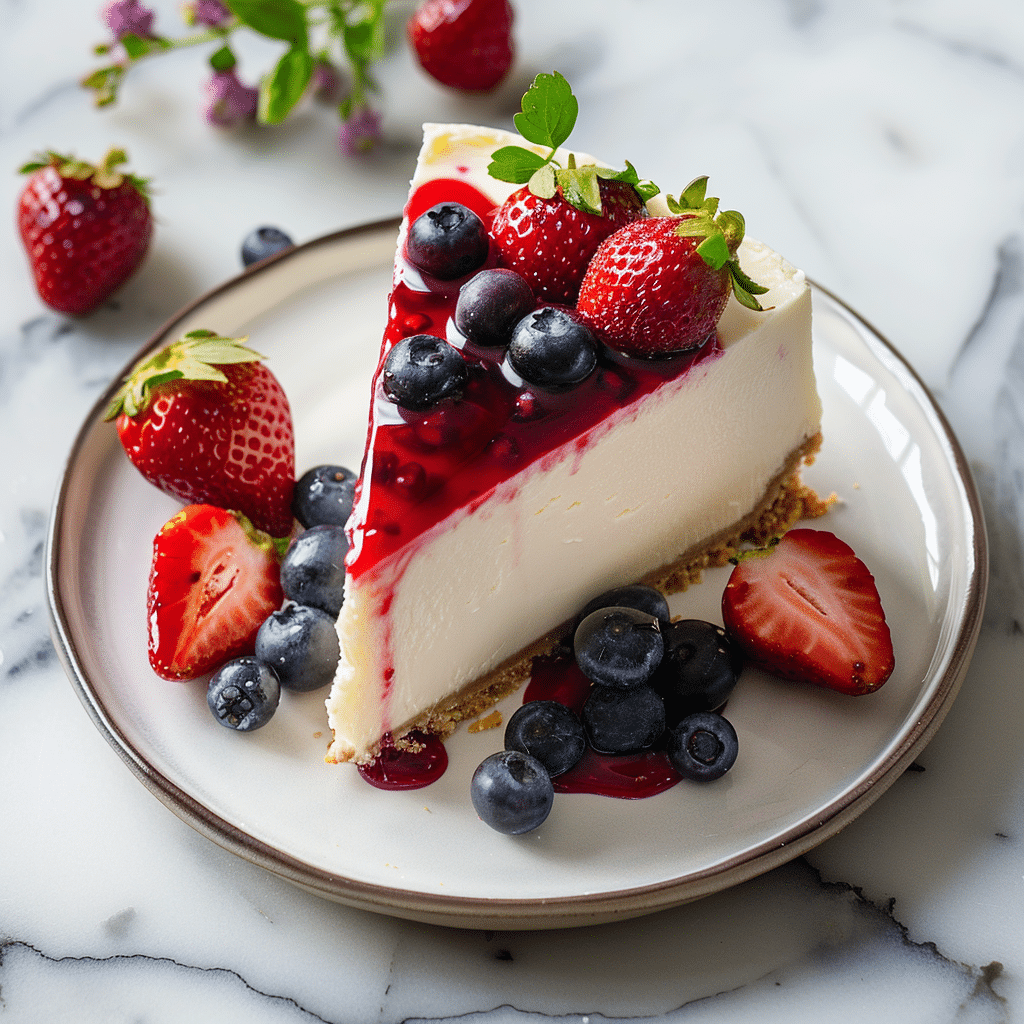
Simple garnishes can elevate your cheesecake from everyday to elegant. Fresh berries, a dusting of powdered sugar, or a drizzle of chocolate or caramel sauce add visual appeal and complement the rich filling beautifully. A few mint leaves can also bring a fresh aroma and pop of color.
Side Dishes
Pairing your cheesecake with light sides can make your dessert experience even more enjoyable. A dollop of whipped cream or a scoop of vanilla ice cream enhances the creaminess, while fresh fruit compotes add a burst of tangy contrast. These accompaniments create a well-rounded finish to your cheesecake indulgence.
Creative Ways to Present
To impress your guests, try individual servings in clear glasses layered with crust crumbs and filling, or top with flavored gels like raspberry or lemon curd for vibrant flair. Another fun idea is to create mini cheesecake bites using muffin tins. Presenting cheesecake in unexpected ways makes the dessert feel fresh and invites people to savor every bite.
Make Ahead and Storage
Storing Leftovers
Cheesecake leftovers should be stored in the refrigerator, covered tightly to prevent drying out and absorbing other odors. Stored properly, the freshness and creaminess can last for up to 4-5 days, making it a perfect make-ahead dessert for parties or treats later in the week.
Freezing
If you want to keep cheesecake longer, freezing is a great option. Wrap the cheesecake tightly in plastic wrap and then foil to protect it from freezer burn. When frozen, it retains quality for up to 2 months. Just thaw in the refrigerator overnight before serving for the best texture and taste.
Reheating
While cheesecake is best served chilled, if you prefer it a bit warmer, bring it to room temperature by leaving it out for about 30 minutes before eating. Avoid microwaving as it can alter the texture, making it grainy and less enjoyable. Gentle warming and patience are the keys to keeping it luscious.
FAQs
Can I use low-fat cream cheese for cheesecake?
While low-fat cream cheese can be used, the cheesecake won’t be as creamy or rich. Full-fat cream cheese is recommended to achieve the classic texture and flavor.
How do I prevent cracks in my cheesecake?
Cracks often come from over-mixing or baking at too high a temperature. Be gentle when folding ingredients and bake the cheesecake slowly at a moderate temperature. Cooling it gradually also helps prevent cracks.
Is it necessary to use a springform pan?
Using a springform pan makes it easier to remove the cheesecake without damaging it, but you can use a regular cake pan lined with parchment paper carefully if needed.
Can I add flavors to the cheesecake filling?
Absolutely! Vanilla extract, lemon zest, or even chocolate are popular additions that enhance the flavor without compromising the creamy texture.
What’s the best way to serve leftover cheesecake?
Leftover cheesecake is best served chilled or at room temperature. Pair it with fresh fruit, a drizzle of sauce, or a dollop of whipped cream to refresh each slice.
Final Thoughts
Cheesecake truly is one of those magical desserts that feels like delivering a hug on a plate. Its creamy texture paired with a buttery crumbly base is simple yet extraordinary, making it a fantastic dessert to bake for yourself or loved ones. I encourage you to give this recipe a try—once you taste the beautiful contrast of flavors and textures, you’ll understand why cheesecake holds such a special place in hearts around the world.